Water Damage Restoration Linden, NJ
Standing water, wet drywall and soaked floors in Linden get pumped out, mapped with moisture meters and dried on a schedule, from Tremley Point to Bayway and every street between.
(888) 471-9821Call about water in your Linden home
Water damage services across Linden, NJ
From a flooded Tremley Point basement to a leaking water heater, each service below covers one kind of water loss in Linden.
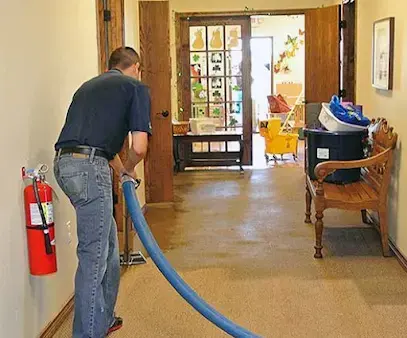 Water Extraction and RemovalTidal runoff or a broken pipe leaves standing water, so pumping comes first.How it is handled
 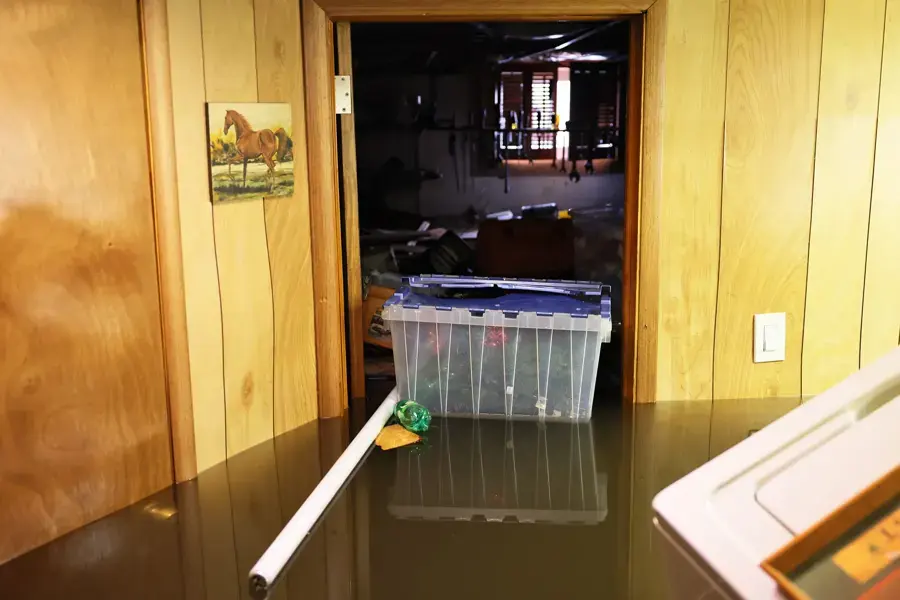 Basement Flooding CleanupOrdinary rain can fill a low lower level, so pumping and drying begin together.How it is handled
 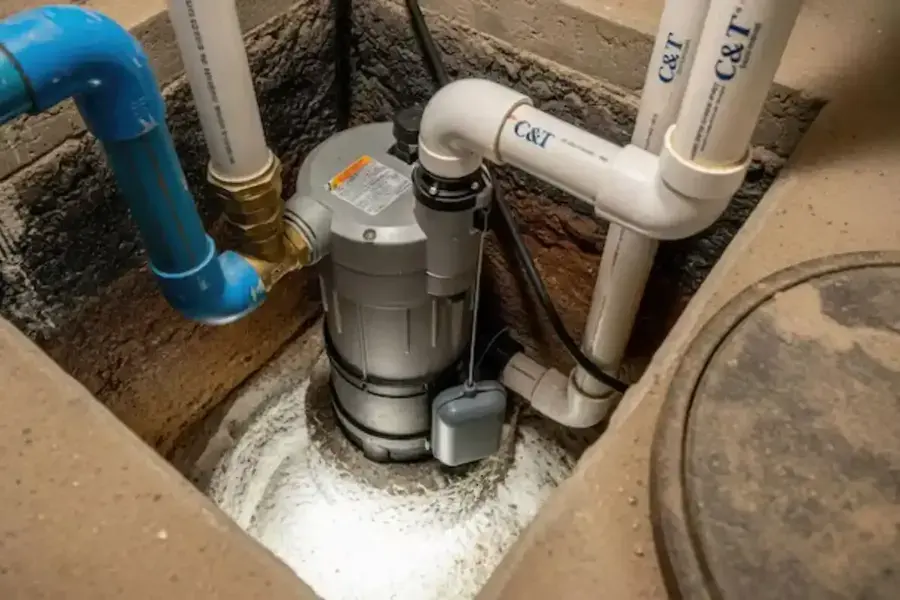 Sump Pump Failure CleanupA stalled pump in heavy runoff lets water in fast, and cleanup runs from pumping to drying.How it is handled
 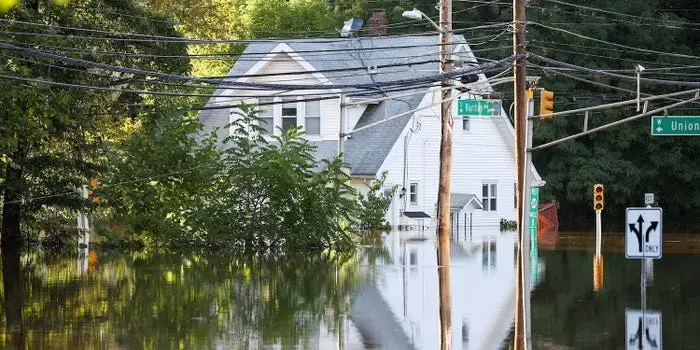 Storm and Flash Flood CleanupFlash floods and Arthur Kill surge leave mud, silt and soaked structure.How it is handled
 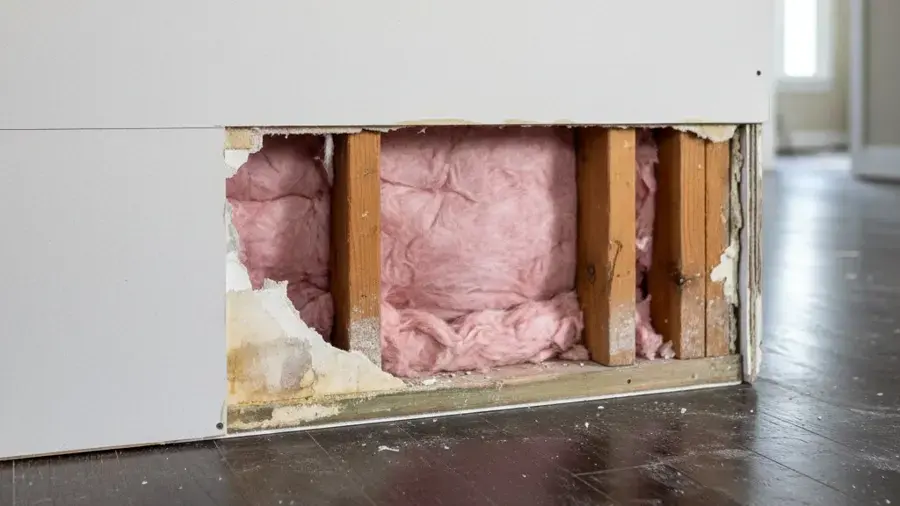 Burst Pipe Water DamageA burst pipe soaks walls and the ceiling below, so cavities are opened and dried.How it is handled
 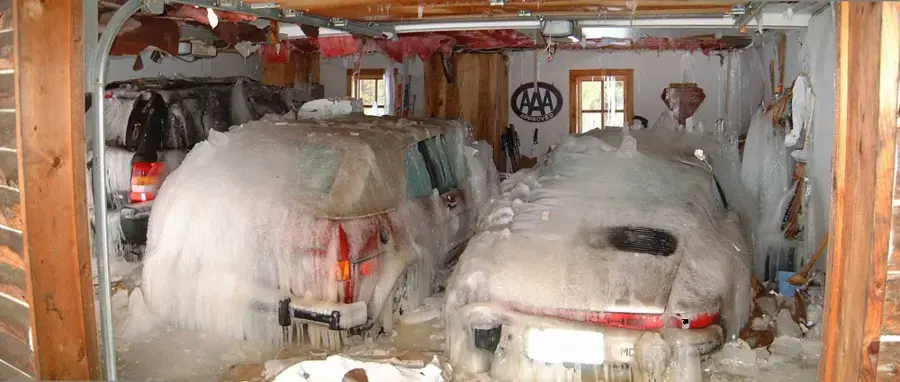 Frozen Pipe Water DamageWinter cold can split a pipe, and damage shows at the thaw.How it is handled
 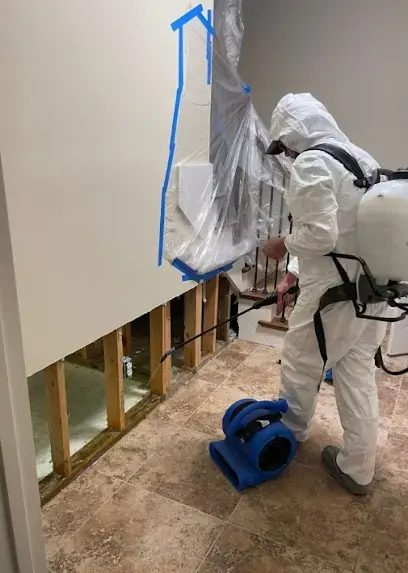 Sewage Backup CleanupDrain backups call for containment, removal and antimicrobial treatment.How it is handled
 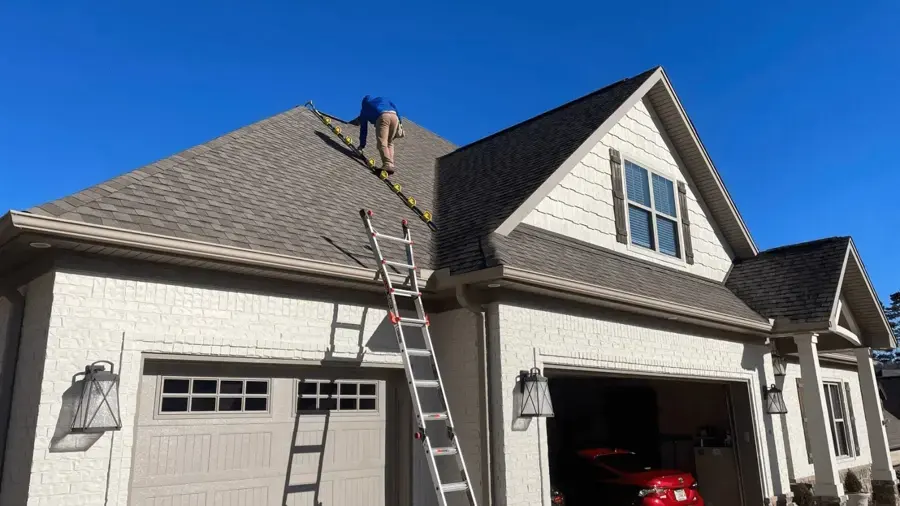 Roof Leak and Ice Dam Water DamageSummer storms and ice dams can push water past weak roof spots.How it is handled
 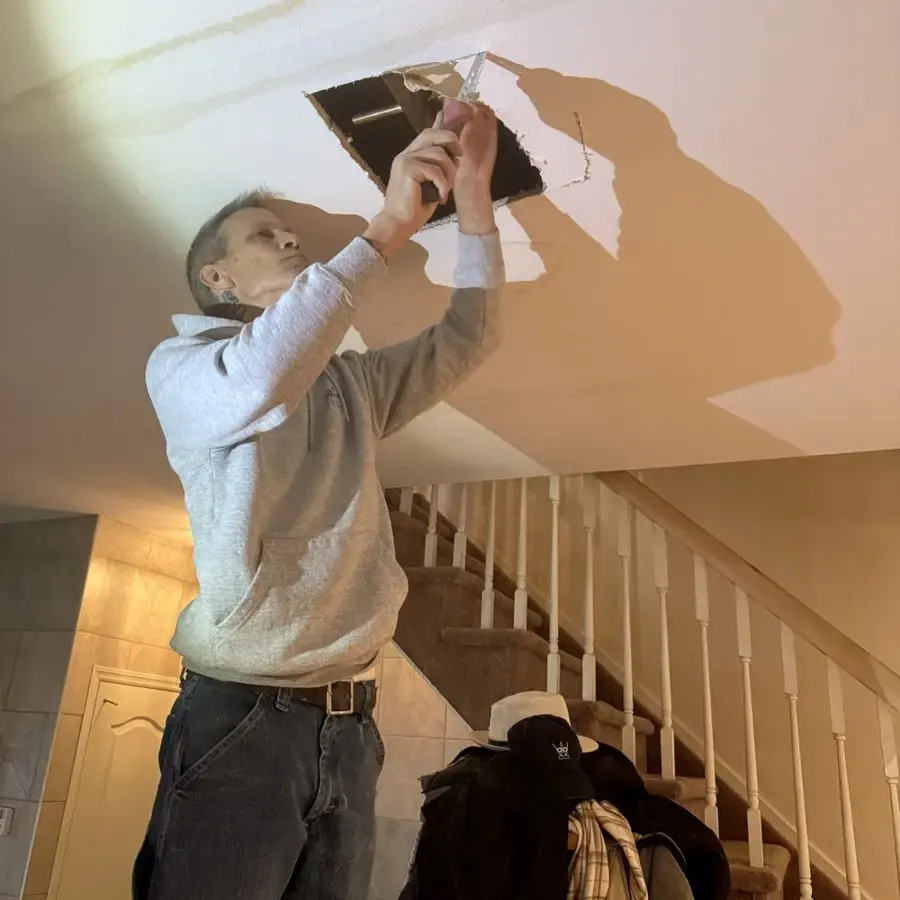 Ceiling Leak Water DamageA stained ceiling means finding the source, then drying the joist bay.How it is handled
 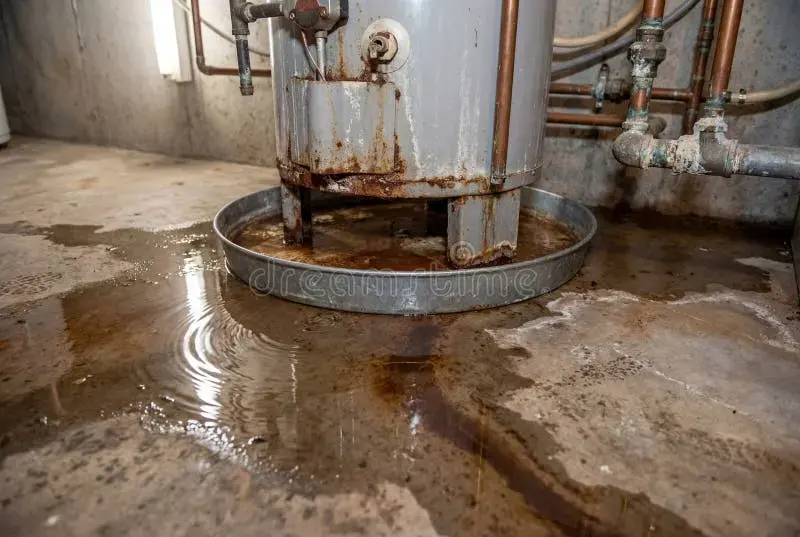 Water Heater Leak CleanupA leaking tank wets flooring and wall bases.How it is handled
 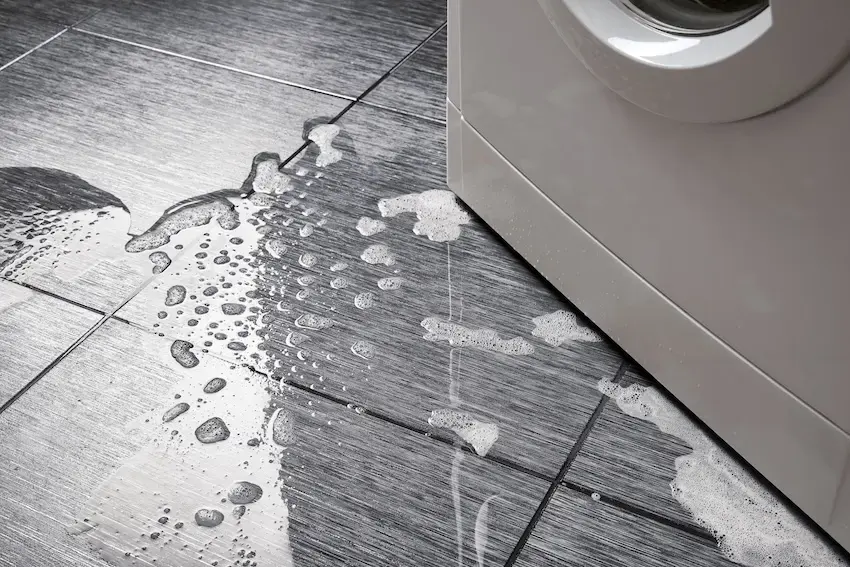 Appliance and Supply Hose LeaksWasher, dishwasher and fridge hose leaks spread under floors and behind cabinets.How it is handled
 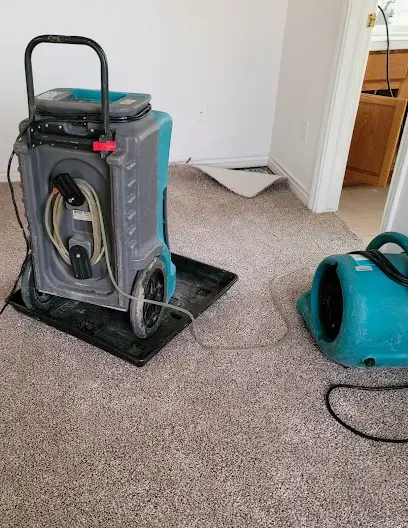 Structural Drying and DehumidificationHumid air and soaked framing need controlled drying with logged readings.How it is handled
 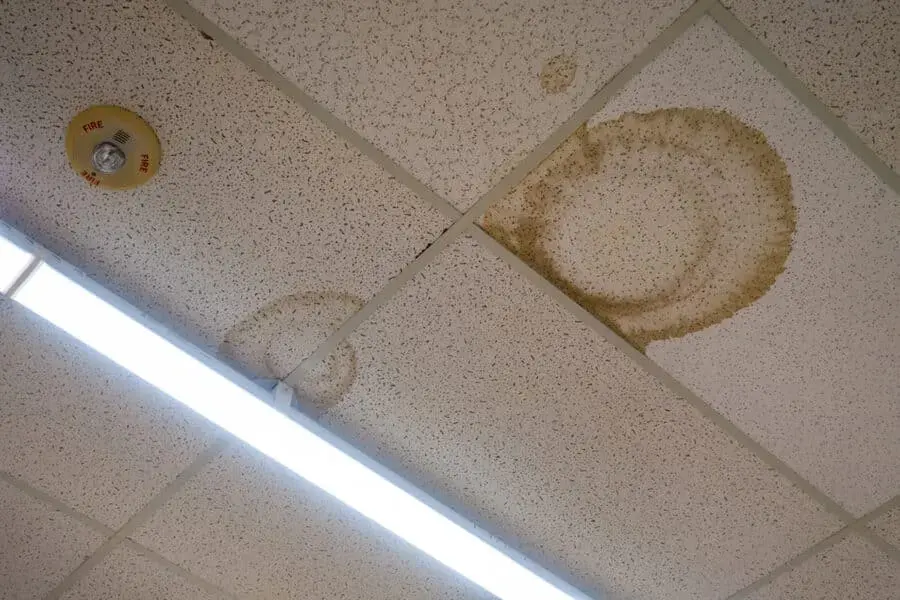 Commercial Water DamageShops, offices, schools and industrial buildings get phased drying plans.How it is handled
 What to do while the water is still moving
Small choices in the first stretch decide how far water spreads through a Linden home, so these five steps come first.
Stop the source
Close the shutoff for the leaking pipe, appliance or heater, so the flow stops feeding the loss while everything else is sorted.
Power down wet areas
Switch off breakers serving flooded rooms, and stay out of standing water until the electricity is confirmed off.
Lift what you can
Move rugs, shoes, books and small furniture onto dry surfaces, and leave heavy furniture where it stands.
Take photos
Photograph the water level, damaged items and the source before anything is moved or thrown away.
Call and describe
Tell the restoration team what flooded and how long it sat, so the right equipment is planned.
Built for low tidal ground and heavy runoff
Four habits shape how each Linden job is run from start to finish.
Surface water first
Linden sits on low tidal ground, so standing water is pumped and extracted before anything is torn out or dried.
Equipment sized to the loss
Air movers, dehumidifiers and extractors are matched to the rooms and materials involved, not set up from a fixed list.
Documented drying
Readings and photos are logged each visit, so an insurance file shows the whole drying story.
Local water knowledge
Tremley Point flooding, Arthur Kill surge and Rahway River overflow are all familiar flood sources to the crew.
A measured process from first meter to dry
Every Linden job follows the IICRC S500 water damage standard, with meters, a written drying goal and equipment changes recorded as the readings move toward dry. Materials that cannot be saved are separated from those that can, using readings rather than guesses.
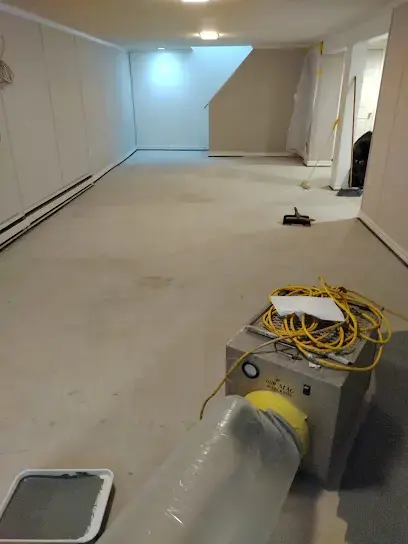
Mapping the wet zone
Meters and a thermal camera trace water through walls, floors and ceilings, and the readings set the boundaries of the affected area before any equipment is placed.
Extraction first
Standing water is pulled out with pumps and truck-mounted or portable extractors, because water left behind has to be dried the slow way.
Removal of what cannot dry
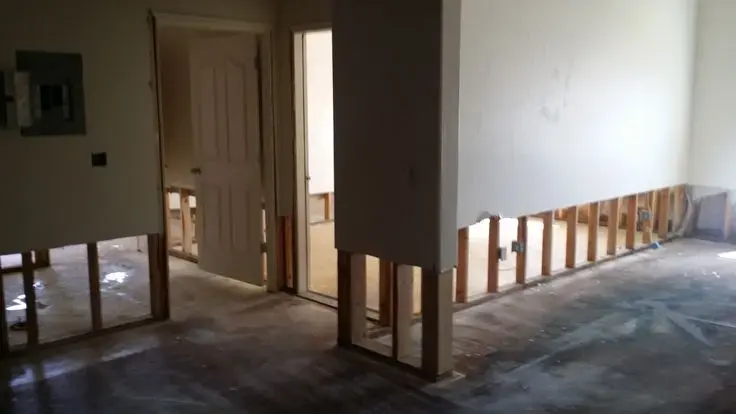
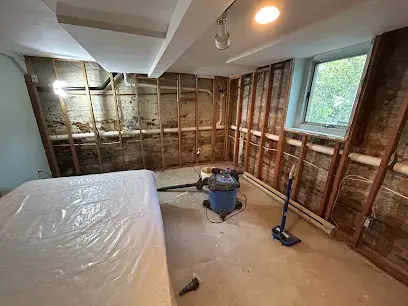
Soaked padding, wet insulation and drywall that stayed wet for days are cut out and bagged, which opens cavities so air can reach framing.
Dry and verify
Dehumidifiers and air movers stay in place until each material's readings match a dry reference point, then everything is removed.
Clean, gray and black water need different handling
The water category set by its source decides what can be dried in place and what has to be removed.
Clean water
A supply break, a failed hose or a leaking heater starts with clean water, which dries in place if it is reached quickly enough.
Burst pipe water damageGray water
Water from a stalled sump pump, a washer or a dishwasher carries some contamination, so porous materials are usually removed rather than dried.
Sump pump failure cleanupBlack water
Sewage backups and tidal or river flood water carry bacteria and are treated as hazardous, with containment, removal and antimicrobial cleaning.
Sewage backup cleanupHow long drying takes depends on the material that got wet
Most contained losses in a Linden home dry in three to five days, but dense materials and large floods run longer, and the readings, not the calendar, decide when equipment leaves.
The goal is dry readings, not just dry surfaces Drywall, framing and subfloor hold moisture long after the surface feels dry, so each material is checked against a dry reference before drying equipment is removed from the home, because damp cavities left behind turn into odor and mold trouble.
| Wettest material | Typical dry time |
|---|---|
| Carpet and cushion | Two to three days |
| Drywall and baseboards | Three to five days |
| Wood framing and subfloor | Four to seven days |
| Hardwood or plaster | One to two weeks |
| Concrete slab or block | Five to ten days |
What water damage cleanup costs in Linden, NJ
Most Linden losses fall between $1,300 and $25,000, depending on how much floor and wall is wet, how long it sat and whether the water was clean, gray or black, and the final scope is set once readings are taken.
One room, clean-water leak
- Extraction and moisture mapping
- Air movers and an LGR dehumidifier
- Three to four days of drying
Wet floors and wall cavities
- Flooring and drywall removal
- Several dehumidifiers and air movers
- Daily readings and photos
Basement flood or sewage loss
- Category 3 tear-out and bagging
- Containment and HEPA scrubbers
- Longer monitoring and logs
Ranges describe typical Linden losses and shift with materials, square footage and category; the cost calculator gives a rough figure before anyone visits.
Working with your insurance claim
Homeowner policies often respond to sudden water events such as a burst pipe or a failed appliance, while flood damage from rising water usually needs a separate flood policy, so the cause matters.
Photos of the damage, the source and every ruined item help a claim, and drying logs show the work was needed.
Keep discarded items until the adjuster has seen them or photos are accepted, and ask the carrier before throwing out anything large.
What to gather for the adjuster
- Photos and video of every wet room
- Date, time and cause of the loss
- List of damaged furniture and contents
- Drying logs and daily moisture readings
- Receipts for emergency repairs or plumbing work
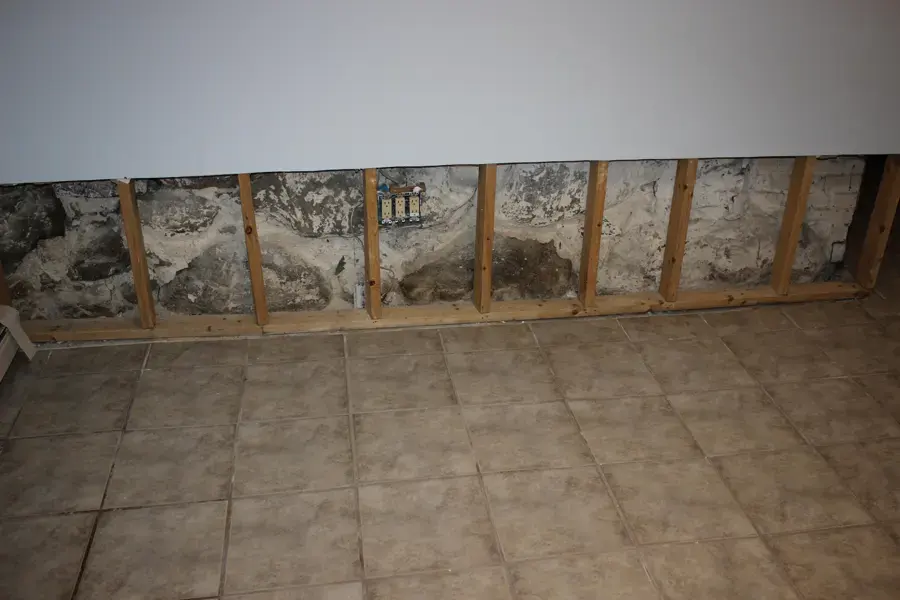
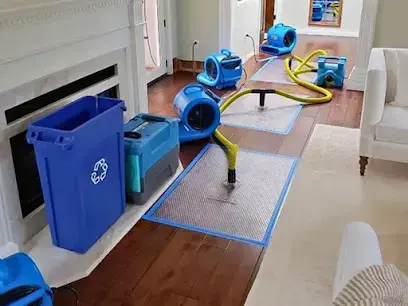
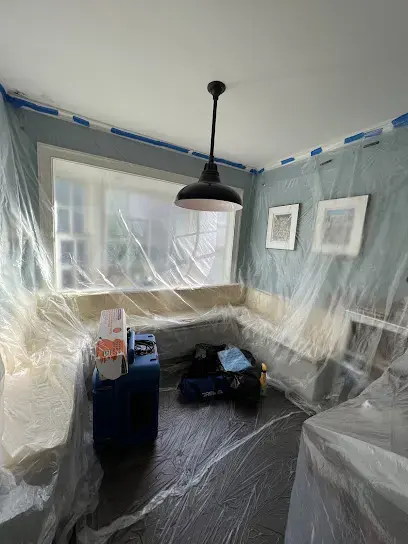
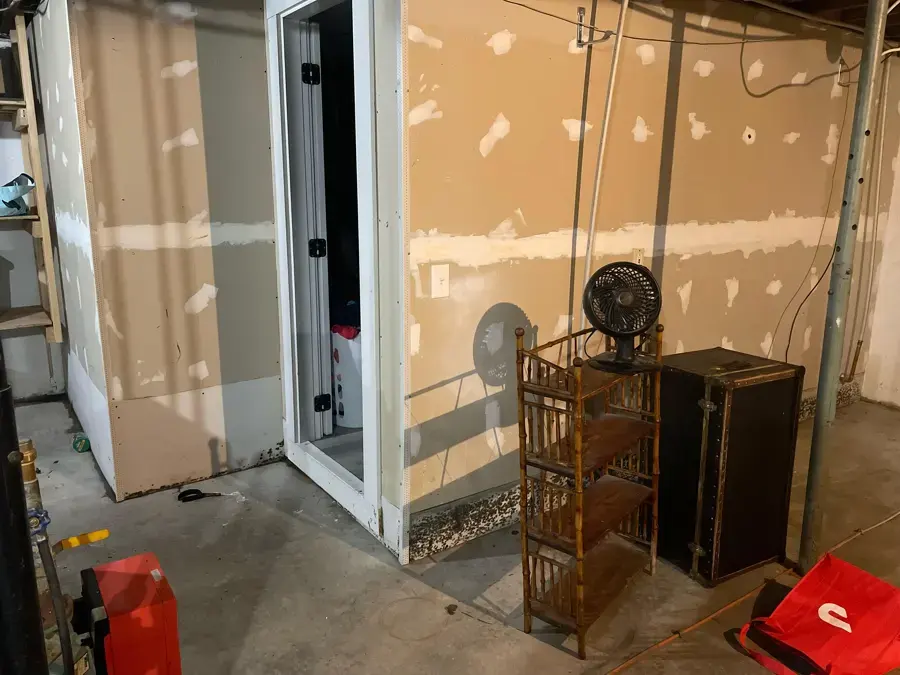
Drying and tear-out stages from water damage jobs
Where in Linden the work runs
Linden areas
Linden ZIP code
Describe the water loss and plan the work
Anyone in Linden with a wet basement, a leaking appliance or storm water can call and explain what happened and where the water came from.
The details shape which pumps, extractors and drying equipment are lined up for the job.
Why Linden floods in ordinary rain and storms
Linden is exposed to Arthur Kill flooding on its east side and Rahway River flooding inland, so tidal surge, creek overflow and runoff all feed local water damage.
Tremley Point lowland
Tremley Point sits in the 100 year floodplain of the Rahway River and floods during normal rain events, with Marshes Creek and Arthur Kill tides adding to the problem.
Heavy runoff
Pavement, roofs and sidewalks shed rain fast in Linden, and the drains cannot empty quickly during elevated tides, so even a small storm sends water toward low ground.
Winter pipe stress
Water main breaks on West Elizabeth Avenue in February 2021 and Morris Avenue in February 2026 show how cold months strain pipes in Linden.
Linden mixes residential, commercial and industrial land, so one storm can leave a wet living room on one street and a soaked stockroom on the next, and each needs its own drying plan and equipment.
Linden water damage questions
How quickly should water be pulled out of a Linden home?
As soon as possible, because wet drywall, padding and framing can start growing mold within 24 to 48 hours, and early pumping limits how far the water spreads.
Does homeowners insurance cover a Linden flood?
That depends on the policy and the source. Sudden leaks inside the home are often covered, while water rising from outside is usually a flood policy matter, so each cause is recorded.
What should be done first when a basement floods?
Stay out of the water until the power is confirmed off, close any source that is still running, and call so pumping can be arranged. See basement flooding cleanup.
Why does Tremley Point flood so often?
Tremley Point is a low community of about 275 homes at the headwaters of Marshes Creek and is surrounded by that creek and the Rahway River, so ordinary rain and high tides can both bring water.
Who runs the public sewers in Linden?
Waste water from Linden's public sewers goes to the Linden Roselle Sewerage Authority, but a backup inside a building still needs containment and antimicrobial cleaning. See sewage backup cleanup.
Do drying crews work on commercial buildings in Linden?
Yes. Shops, offices, warehouses and industrial buildings are handled with phased drying so occupied areas can stay in use where it is safe.
Does winter cold split pipes in Linden homes?
It can. Both documented main breaks in the city came in February, so a cold snap is a real seasonal risk for plumbing in Linden homes too.
How long does a Linden structure take to dry?
That depends on what got wet and how long it sat. Carpet and drywall dry within days, while concrete, hardwood and plaster can need a week or more, and readings decide the end.
What is different about storm surge from the Arthur Kill?
Surge and river flood water carry silt, bacteria and debris, so it is handled as black water, with contaminated materials removed rather than dried.
What should be photographed before cleanup starts?
The source of the water, every wet room and each damaged item. Photos are taken before anything is moved so the adjuster can see the original condition.
Wet floors in Linden? Call about the cleanup
The Linden water damage pros plan pumping, removal and drying around what the readings show, and the claim paperwork builds up as the work goes, from first meter check to final dry check.