Water Damage Restoration Union, NJ
24/7 water damage restoration in Union, NJ. The restoration team extracts standing water, dries the structure to the IICRC S500 standard and documents every step for your insurance claim.
(888) 471-9821Water in the Union basement? Call now.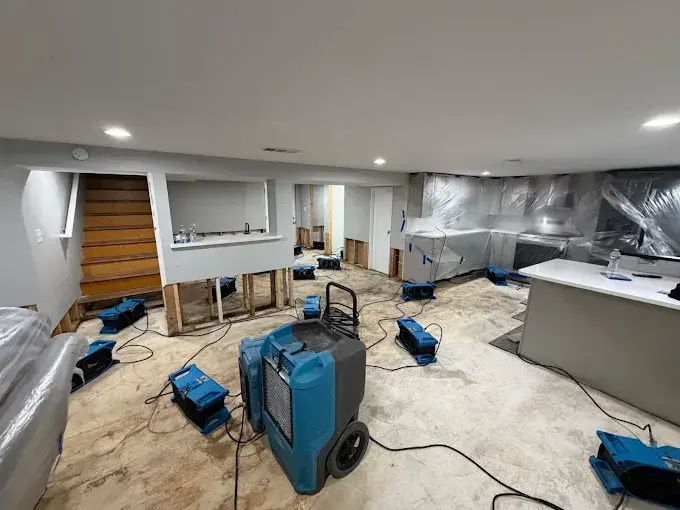
Water Damage Restoration Services in Union, NJ
Water and sewage only, from the first extraction pass to the final dry reading, across Union Township and the nearby Union County towns.
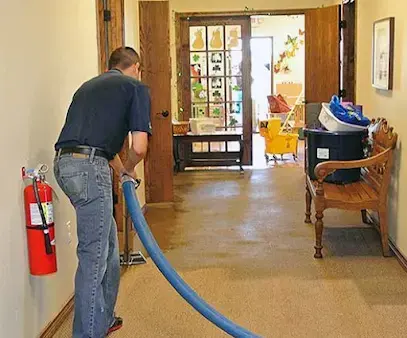 Water Extraction and RemovalTruck-mounted and portable extraction pulls standing water off carpet, tile and concrete first.How it is handled
 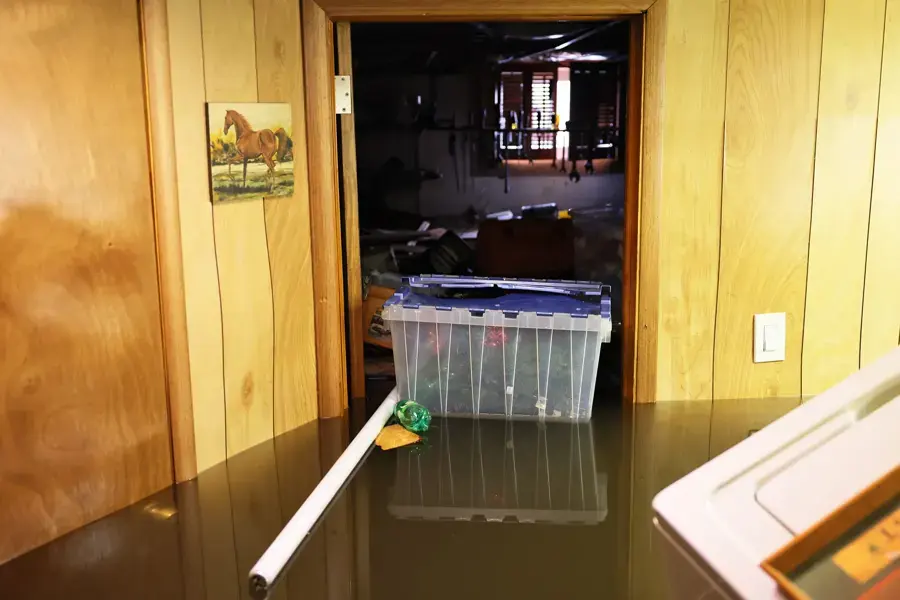 Basement Flooding CleanupFinished and unfinished basements pumped out, gutted where needed and dried.How it is handled
 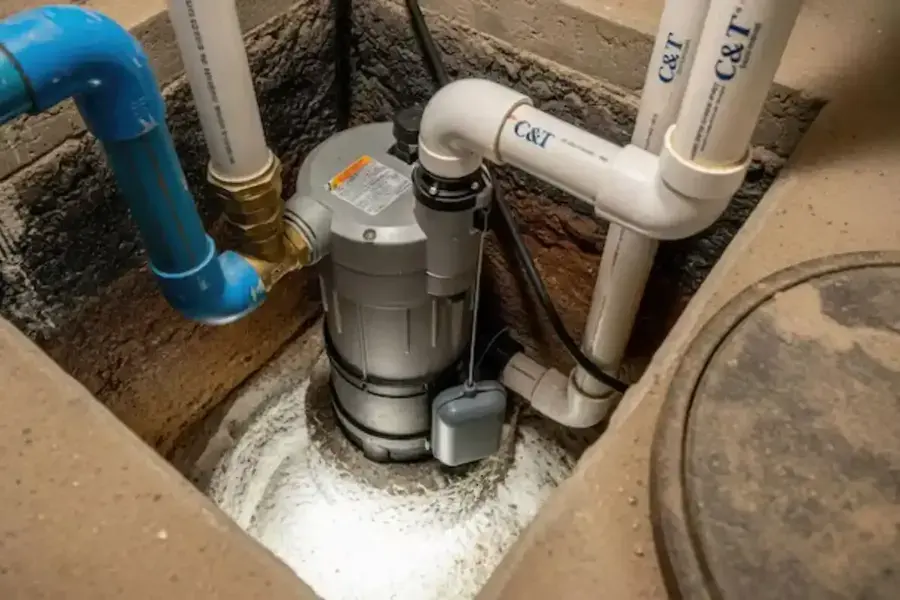 Sump Pump Failure CleanupFailed pumps, stuck floats and storm power outages that let the pit overflow.How it is handled
 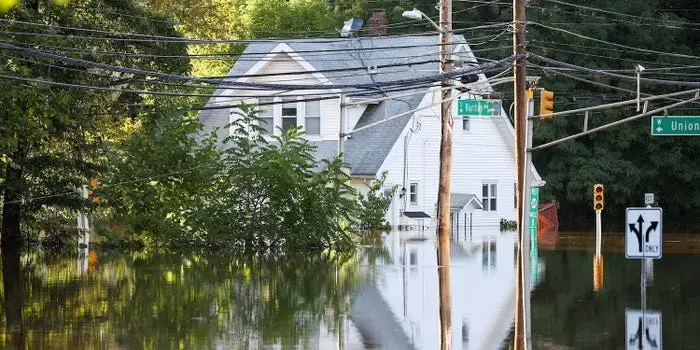 Storm and Flash Flood CleanupSurface water from storms and the river corridors, handled as Category 3.How it is handled
 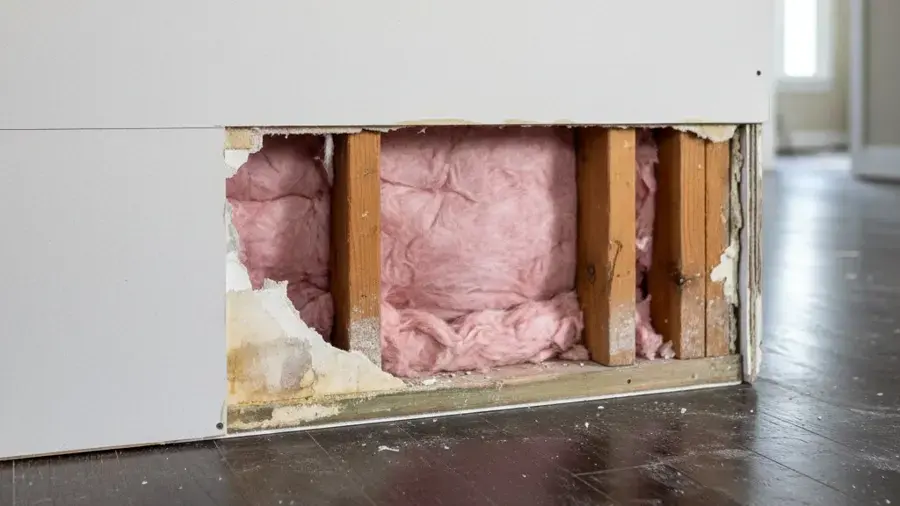 Burst Pipe Water DamageSplit supply pipes inside walls and ceilings traced, opened and dried.How it is handled
 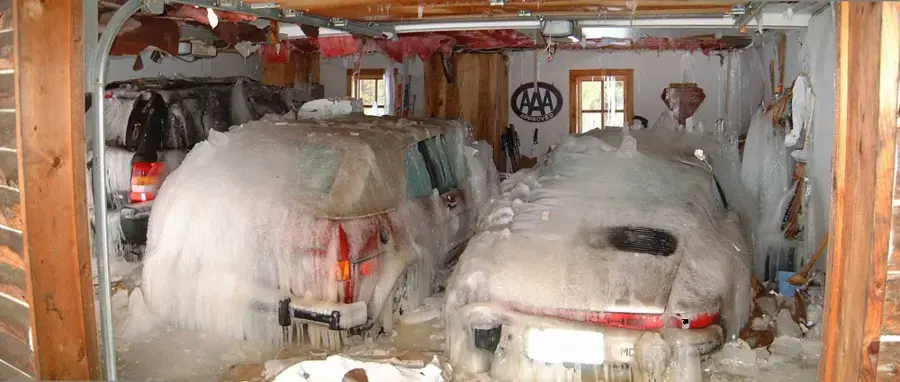 Frozen Pipe Water DamageWinter freeze breaks in exterior walls, garages and crawl spaces.How it is handled
 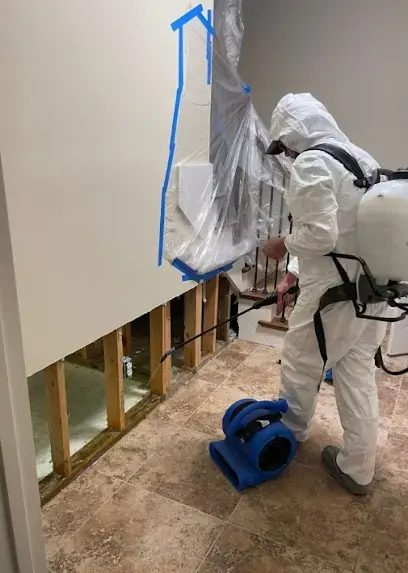 Sewage Backup CleanupFloor drain and toilet backups contained, removed and treated.How it is handled
 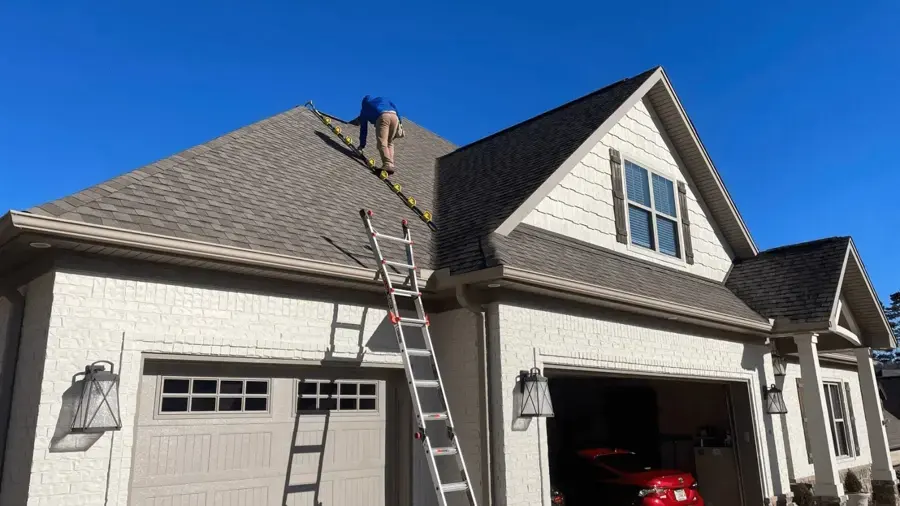 Roof Leak and Ice Dam Water DamageIce dams, flashing and storm leaks that soak attics and ceilings.How it is handled
 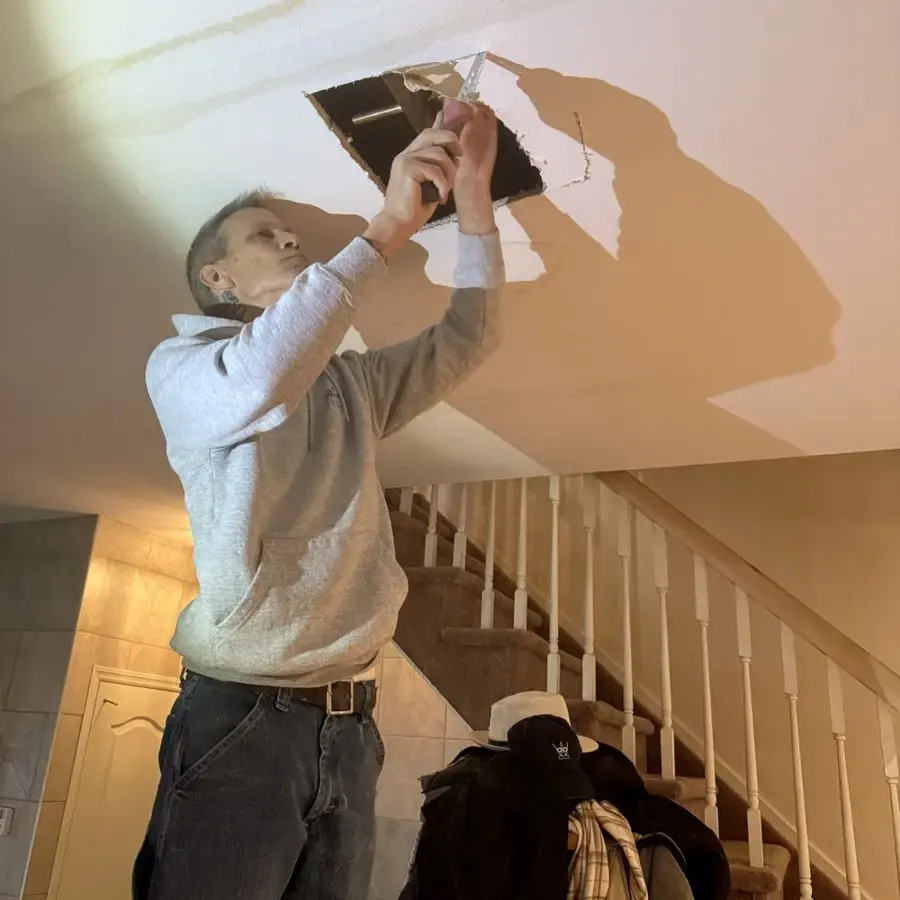 Ceiling Leak Water DamageUpstairs bath and supply leaks dried through the ceiling below.How it is handled
 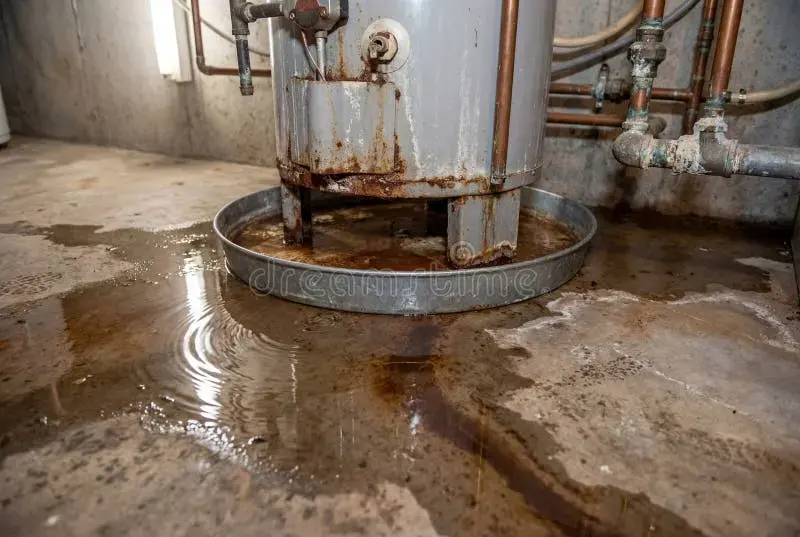 Water Heater Leak CleanupBasement tank failures extracted before stored boxes soak through.How it is handled
 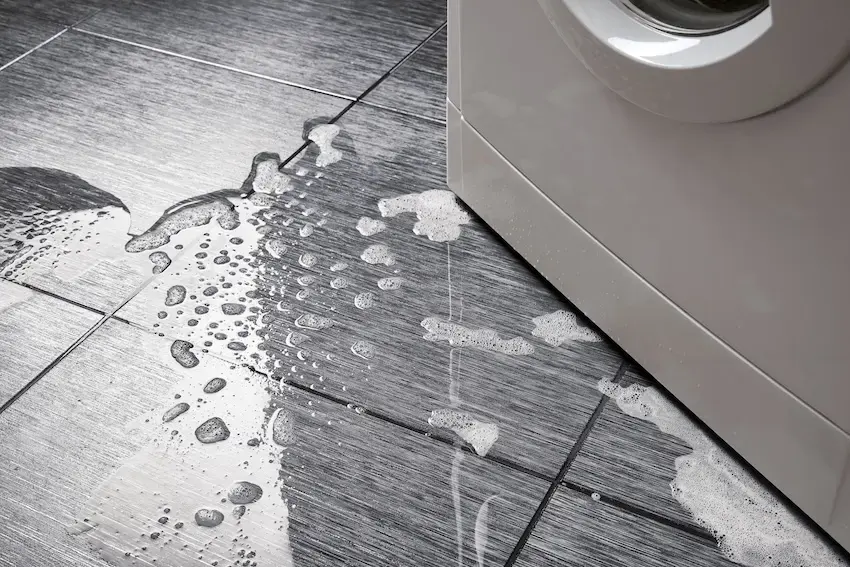 Appliance and Supply Hose LeaksWasher, dishwasher, ice maker and toilet supply hose failures.How it is handled
 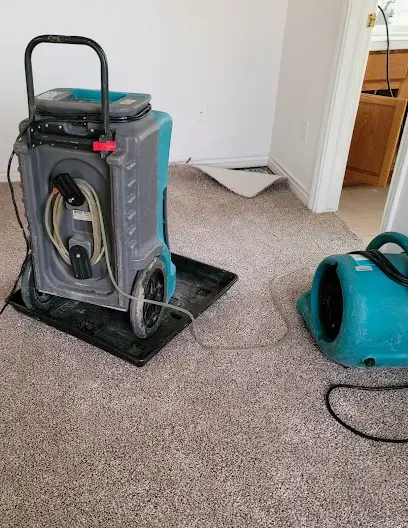 Structural Drying and DehumidificationFraming, subfloor, plaster and block dried to a verified reading.How it is handled
 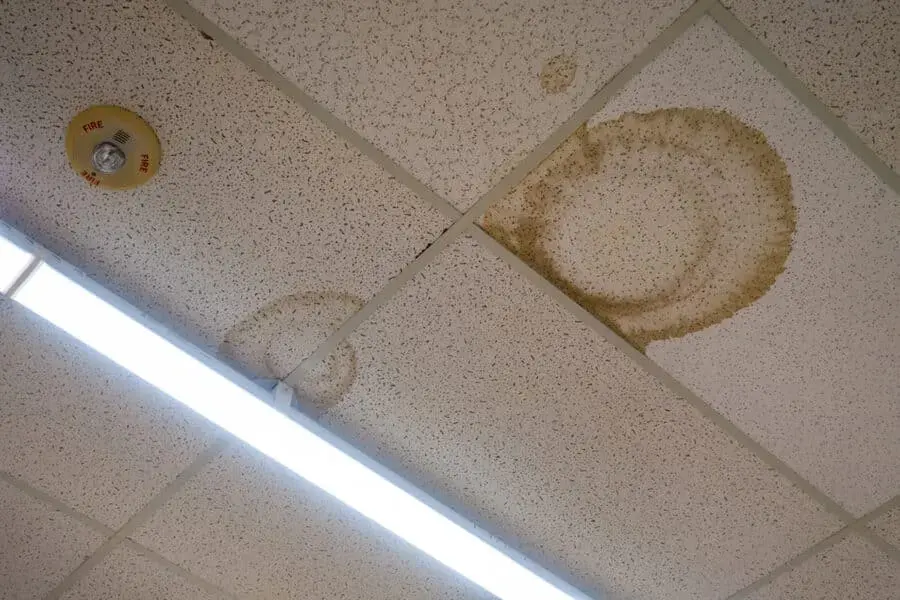 Commercial Water DamageShops, offices and schools dried in phases to limit downtime.How it is handled
 What to do while the water is still moving
The first hour decides how much of a basement or a ceiling can be dried in place instead of torn out.
Close the main valve
In most Union homes the shutoff sits on the basement wall where the water service comes through the foundation.
Cut power to wet areas
Switch off breakers for flooded rooms, but only if the panel is dry and you are not standing in water.
Keep away from the water
Water touching an outlet, an extension cord or a furnace can be live or contaminated.
Take photos first
Wide shots and close-ups, including the high-water mark on walls and boxes, before anything moves.
Lift what you can, then call
Raise boxes and furniture off the floor. Mold can start growing in 24 to 48 hours.
How Union water damage gets handled, start to finish
Four things decide whether a dry-out is finished or only looks finished.
Rapid local response
The response team dispatches 24/7 across Union Township, and active water is treated as urgent on nights, weekends and snow days.
IICRC S500 drying standard
The drying team works to the industry drying standard: structural drying, not just surface drying.
Claim-ready documentation
Moisture maps, daily psychrometric logs and timestamped photos taken before any demolition.
Local water know-how
Sump failures, sewer backups, frozen pipes and river flooding are routine losses for the Union restoration crew.
Water damage dried to the IICRC S500 standard
What separates a finished dry-out from a cosmetic one is the order of the work. On a Union loss the local restoration pros follow the same sequence every time, whether the water is in a finished basement or a second-floor bath.
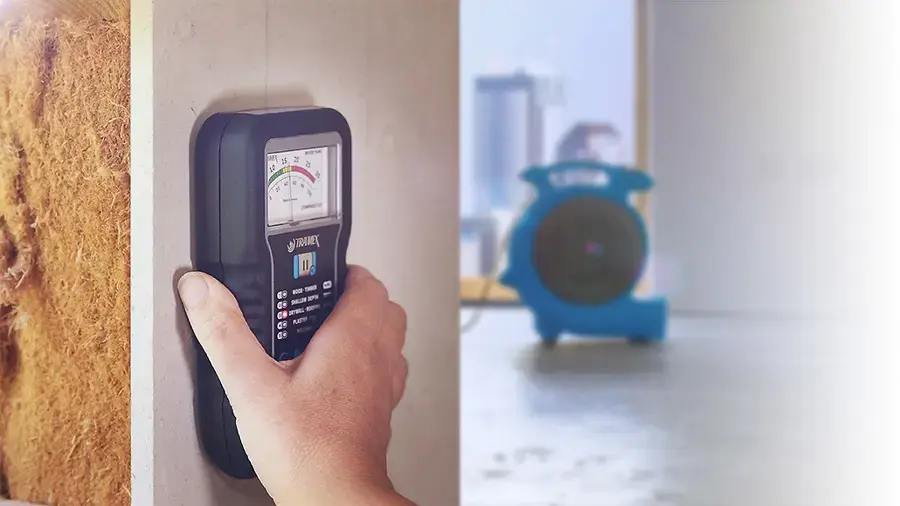
Moisture mapping
The tech who does the walkthrough maps wet drywall, framing, carpet pad and block with pinless meters and thermal imaging, so the plan matches what is actually wet.
Truck-mounted extraction
The extraction crew pulls standing water out of carpet, pad and concrete so it leaves the house instead of soaking deeper.
Air movers and LGR dehumidifiers
The drying team sets air movers to each room's evaporation load and runs LGR dehumidifiers, adding heat in a cold basement.
Daily readings and dry verification
Readings are logged daily, and the equipment comes out when wet materials sit within 2 to 4 points of a dry reference material.
All water damage categories covered in Union, NJ
Category 1, 2 and 3 water are handled differently, and the source sets the category, not how the water looks.
Clean water
A burst supply pipe, a frozen pipe or a water heater. The drying team dries it in place when work starts before the water degrades.
Burst pipe water damageGray water
Washer or dishwasher discharge, a sump pit overflow, or clean water left sitting. Carpet pad usually comes out; hard surfaces get cleaned.
Sump pump failure cleanupBlack water
Sewage, a floor drain backup and outside flood water. Porous materials touched by Category 3 water get removed, not dried.
Sewage backup cleanupHow long a Union dry-out takes, and when it is done
A contained Class 1 or Class 2 loss usually dries in three to five days. Plaster, hardwood and block foundation walls take longer, and a cold basement dries slower than a heated room.
The drying goal is a reading, not a date. Equipment leaves on readings, not on a schedule: once wet material sits within 2 to 4 points of a dry reference, the drying phase ends and repairs can start. Try the drying time estimator for your rooms.
| Wettest material | Typical dry time |
|---|---|
| Drywall and carpet, clean water | 3 to 4 days |
| Finished basement carpet and pad | 3 to 5 days |
| Cabinets and baseboard | 4 to 6 days |
| Hardwood floors or plaster walls | 5 to 10 days |
| Block foundation walls and slab | 7 to 14 days |
What does water damage restoration cost in Union, NJ?
In Union, NJ, water damage restoration typically runs $1,300 to $25,000 or more. The drivers are the water category, the square footage that got wet, the material class, and how fast drying started after the leak.
Contained clean-water leak
- One or two rooms, Category 1
- Drywall, carpet or tile
- Three to four days of equipment
Finished basement or gray water
- Carpet, pad and paneling removal
- Flood cuts on the lower wall
- Four to six days of drying
Sewage, flood or whole floor
- Category 3 removal
- Containment and HEPA air scrubbers
- Block wall and framing drying
Want a closer planning number? Run the Union water damage cost calculator. A firm figure comes from the on-site walkthrough and the moisture map.
Documentation for your insurance claim
A water claim is decided on the file. A sudden and accidental discharge, such as a burst supply pipe, is usually treated differently from outside flood water, which falls under flood coverage.
Sewer and sump backup is often a separate endorsement on a New Jersey homeowners policy.
Coverage depends on your policy, so it is worth checking with your own insurer. Ask the restoration contractor who responds what documentation comes with the job.
What a complete claim file contains
- A moisture map from the first visit
- Daily psychrometric logs and moisture readings
- Timestamped photos taken before any demolition
- The category and class of the loss
- A line-item scope in the format adjusters expect
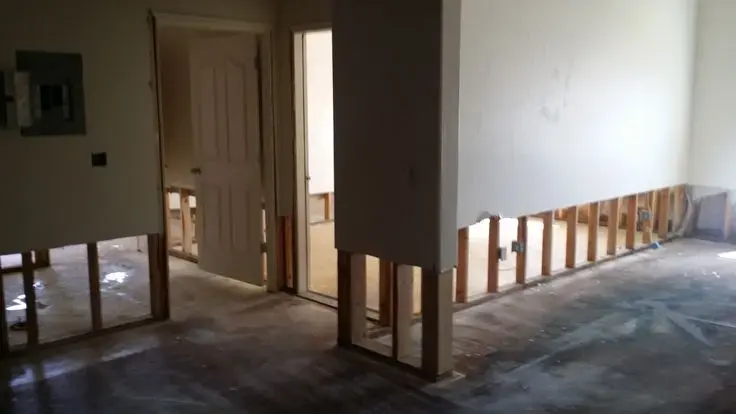
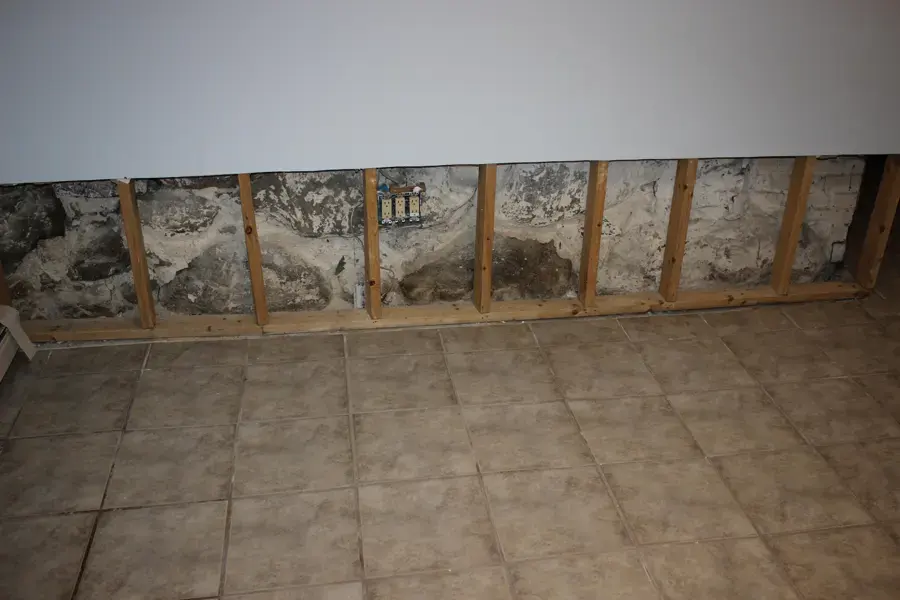
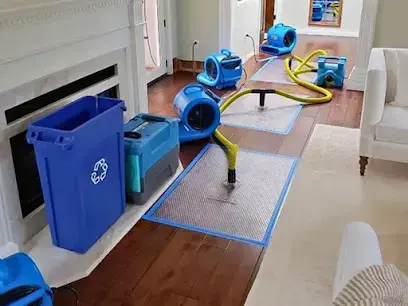
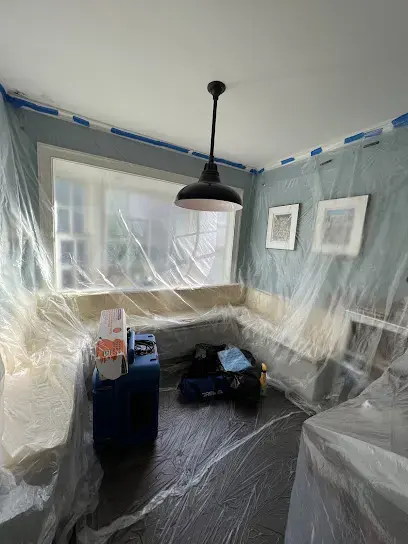
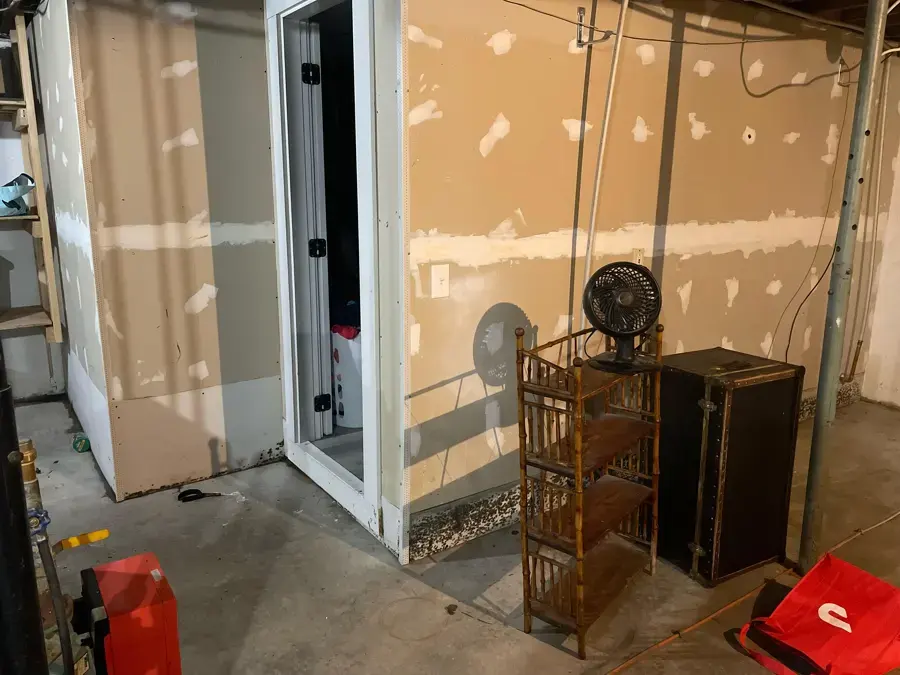
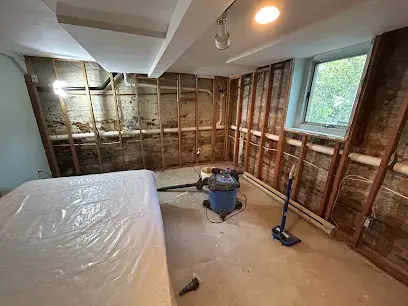
What a water damage dry-out looks like in Union
Union neighborhoods and nearby towns covered
Union neighborhoods
Nearby towns
Union ZIP codes
One call reaches Union water damage pros, 24/7
Union water damage pros cover the whole township, from Vauxhall and Union Center to Battle Hill, Larchmont and the Route 22 corridor.
The street, the wet rooms and the water source decide the equipment that goes on the truck.
Water damage in Union, NJ: the local risk profile
Union Township sits between the Elizabeth River and the Rahway River corridor, and most of it was built out with basement homes after World War II. Three failure modes lead the list.
Storm water and sewer surcharge
Heavy summer storms and hurricane remnants overload storm drains and sanitary sewers, so basements take groundwater, runoff and sewage at once. Ida's rain in 2021 flooded basements across the county.
Basements built below grade
Cape Cods, colonials and split-levels from the 1920s to the 1960s keep furnaces, water heaters, laundry and finished rooms below grade, often protected by a single sump pump.
Hard freezes and ice dams
January cold splits pipes in exterior walls, garages and crawl spaces, and ice dams on older roofs push melt water into attics and ceilings.
Housing stock: prewar homes near Union Center and Vauxhall may still carry galvanized supply pipe and clay or cast iron sewer laterals; postwar neighborhoods add finished basements; Route 22 and Morris Avenue hold shops, offices and apartments over stores.
Union water damage questions, answered
How fast can a restoration crew respond in Union, NJ?
The Union restoration crew is dispatched 24/7, and active water is treated as urgent. Big storm nights add load across the county, so call as soon as the water is found.
Is a flooded basement covered by insurance in New Jersey?
It depends on the source. A sudden burst pipe is usually a homeowners claim, sewer and sump backup often needs its own endorsement, and outside flood water falls under a flood policy such as the NFIP. Coverage depends on your policy, so check with your own insurer.
What causes most water damage in Union homes?
Sump pump failures during storms, floor drain backups, frozen pipes in exterior walls, water heaters and washer hoses in the basement, and ice dams on older roofs.
How long does drying a wet basement take?
A contained Class 1 or Class 2 loss usually dries in three to five days. Block walls, slab and plaster take longer. The equipment comes out when readings sit within 2 to 4 points of a dry reference material.
What is IICRC S500?
IICRC S500 is the industry standard for water damage restoration. It sets how water is categorized, how the class of loss decides the equipment, and what counts as dry.
What should I do while the water is still spreading?
If it is safe, close the main valve and switch off breakers for wet rooms when the panel is dry. Stay out of standing water near outlets, photograph the damage, lift boxes off the floor, then call.
What is the difference between mitigation and repair?
Mitigation stops the damage: extraction, removal of what cannot be saved, and structural drying. Repair replaces drywall, flooring and trim once the structure reads dry.
When does basement drywall have to come out?
Drywall comes out when Category 3 water touched it, when the insulation behind it is soaked, or when readings will not come down. Crews cut above the highest wicking point.
Why is sewage cleanup handled differently?
Sewage is Category 3 the moment it happens. The mitigation team works in protective gear behind containment with HEPA air scrubbers, removes porous materials it touched, and applies an EPA-registered antimicrobial.
How is the cost of a water damage job figured?
Cost follows the water category, the square footage that got wet, the class of materials and how fast drying started. Most restoration contractors itemize it in a line-item scope adjusters can read.
Standing water in Union? Get the dry-out going.
Water keeps wicking into drywall, framing and stored belongings until someone pulls it out. The extraction crew works day and night across Union, Kenilworth, Roselle Park and the rest of Union County.