Storm and Flash Flood Cleanup in Union, NJ
When storm runoff or a rising river pushes water into the house, it arrives contaminated. The mitigation team removes it, clears what it touched and dries the structure behind containment.
(888) 471-9821Storm water inside? Call now.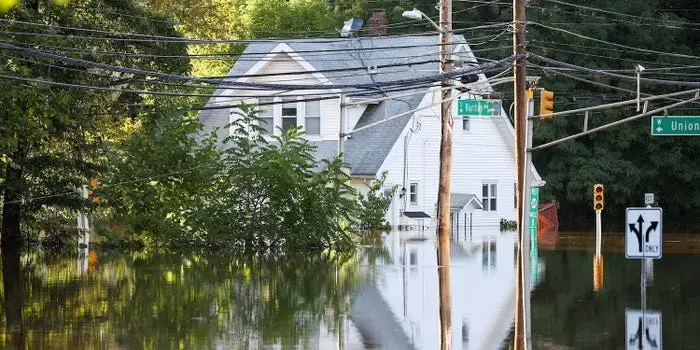
First steps for storm and flash flood cleanup in Union
Wait for safe entry
Stay out until power to flooded areas is off.
Avoid contact with the water
Wear boots and gloves; flood water carries bacteria.
Document the high-water mark
Photograph walls, appliances and belongings.
Call your insurer and a crew
Flood claims move faster with early photos.
How storm and flash flood cleanup is handled in Union
Moisture mapped before equipment
The tech who does the walkthrough reads drywall, framing, subfloor and block foundation walls with pinless meters and thermal imaging first.
Dried to IICRC S500
The drying team follows IICRC S500, the industry drying standard: structural drying, not just surface drying.
A claim file built daily
Daily moisture readings, psychrometric logs and timestamped photos go into the file an adjuster reviews.
Union basement know-how
Sump failures, sewer backups, frozen pipes and Elizabeth River storm water are routine losses for the Union restoration crew.
What does storm and flash flood cleanup cost in Union, NJ?
In Union, NJ, storm and flash flood cleanup typically runs $4,500 to $30,000 or more. The drivers are the depth of water, how much of the house it reached, the amount of porous material removed and how long it sat.
Garage or crawl space
- Mud and water removal
- Antimicrobial cleaning
- Concrete drying
Basement flood
- Drywall and insulation removal
- Containment and HEPA
- Block and framing drying
Basement and first floor
- Category 3 removal on two levels
- Cabinet and flooring removal
- Longer monitoring
Ranges are typical, not a quote: water category, square footage, material class and how fast drying started move the number most. Run the Union water damage cost calculator for a closer planning range.
The storm and flash flood cleanup process, start to dry
Contain
The mitigation team sets containment and HEPA air scrubbers.
Remove
Water, mud and porous materials come out.
Clean
Surfaces are cleaned and treated with antimicrobial.
Dry
Equipment runs until readings match a dry reference.
Union sits between the Elizabeth River and the Rahway River corridor, and heavy rain arrives fast here. The remnants of Hurricane Ida in September 2021 dropped record rain on northern New Jersey and flooded basements, garages and low streets across Union County in one night.
Why storm water is Category 3
Flood water picks up soil, fuel, sewage and anything else in its path before it reaches the house. Under the IICRC S500 standard it is Category 3 from the start, so porous materials it touched, such as carpet, pad, drywall and insulation, get removed, not dried.
How the flood cleanup works
- The extraction crew pumps standing water and mud out, lowest level first.
- Porous materials come out above the highest wet reading.
- Hard surfaces are cleaned and treated with an EPA-registered antimicrobial.
- The drying team sets containment, HEPA air scrubbers, LGR dehumidifiers and air movers.
After a regional storm, many homes need crews at once, so it helps to call early.
Flood coverage and safety
Outside flood water is usually excluded from homeowners policies and falls under flood insurance; the FloodSmart NFIP site explains how flood policies work. Before re-entering, read the National Weather Service flood safety page. If the water came up through a floor drain instead, see sewage backup cleanup.
Flood water in the house after a storm? Call (888) 471-9821, and the mitigation team handles it as Category 3.
Storm and flash flood cleanup across Union and nearby towns
Union Water Damage Restoration dispatches 24/7 across ZIP 07083 and 07088, from Union Center and Five Points out to Vauxhall, Townley, Connecticut Farms, Battle Hill, Larchmont and the homes along Morris Avenue, Stuyvesant Avenue and Route 22.
Nearby coverage reaches Kenilworth, Roselle Park, Roselle, Elizabeth, Linden, Springfield, Hillside, Maplewood.
Related water damage services in Union
Storm and Flash Flood Cleanup questions in Union, NJ
Why does everything touched by flood water get removed?
Flood water is Category 3. Porous materials such as carpet, pad, drywall and insulation absorb contaminants and cannot be reliably cleaned, so they are removed.
Does homeowners insurance cover storm flooding?
Usually not for outside rising water; that falls under a separate flood policy such as the NFIP. Coverage depends on your policy, so check with your own insurer.
How soon can drying start after a flood?
As soon as the water stops rising and power is safe. Removal and cleaning come first, then drying equipment.
Can hardwood floors be saved after flood water?
Rarely. Category 3 water soaks under and between boards, so flood-wet hardwood is usually removed.
What about a basement that flooded from the floor drain?
That is a sewer surcharge, also Category 3, and it is handled like a sewage backup.
How long does a flood dry-out take?
Usually five to fourteen days, depending on how much was removed and how dense the remaining materials are.
Storm water inside your Union home? Act now.
Flood water keeps soaking into walls and floors until it is removed. The mitigation team works across Union County through storm weeks, 24/7.