Water Extraction and Removal in Linden, NJ
Low tidal ground and heavy runoff mean Linden water often sits on the surface, so pumps and extractors go to work first, before carpet, padding and subfloor drink it in.
(888) 471-9821Call about water in Linden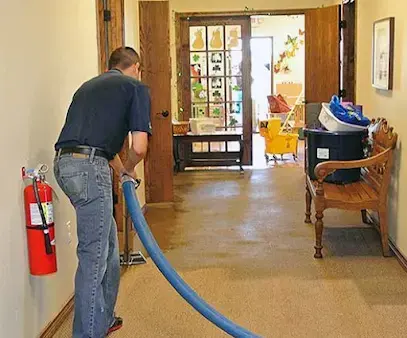
First steps for water extraction and removal in Linden
Locate the source
The crew finds where the water entered and confirms it has been stopped.
Pump the depth
Submersible pumps drop standing water below the baseboards.
Extract the rest
Wands and truck-mounted extractors pull water out of carpet, padding and hard floors.
Check and hand off
Meters confirm what is still wet, and the drying plan starts from those readings.
How water extraction and removal is handled in Linden
Moisture mapped before equipment
The tech who does the walkthrough reads drywall, framing, subfloor and block foundation walls with pinless meters and thermal imaging first.
Dried to IICRC S500
The drying team follows IICRC S500, the industry drying standard: structural drying, not just surface drying.
A claim file built daily
Daily moisture readings, psychrometric logs and timestamped photos go into the file an adjuster reviews.
Union basement know-how
Sump failures, sewer backups, frozen pipes and Elizabeth River storm water are routine losses for the Union restoration crew.
What does water extraction and removal cost in Linden, NJ?
Water extraction in Linden usually costs between $1,200 and $6,500 or more. A single room of clean water sits at the low end, while large or gray-water losses need truck-mounted equipment and carpet removal. Room count moves the total.
One room, clean water
- Surface and carpet extraction
- Pad check and moisture readings
- Two to three days of drying
Basement or several rooms
- Pumping plus wand extraction
- Pad and baseboard removal
- LGR dehumidifiers
Large or gray-water loss
- Truck-mounted extraction
- Carpet removal
- Daily moisture logs
Ranges are typical, not a quote: water category, square footage, material class and how fast drying started move the number most. Run the water damage cost calculator for a closer planning range.
The water extraction and removal process, start to dry
Pump out
Submersible pumps lower standing water until the floor and baseboards are within reach.
Extract
Wands and truck-mounted units lift water from carpet, padding and hard floors.
Remove
Padding and materials that soaked in contaminated water are cut out and bagged.
Dry
Air movers and dehumidifiers finish the job, with readings logged until dry.
Extraction is the first real step in nearly every Linden water loss, because every gallon pulled out now is a gallon the air movers never have to dry later. The extraction crew works from the lowest point outward and checks what the carpet, pad and floor are still holding.
Where the water comes from
Linden is low, tidal ground with heavy runoff, and the Arthur Kill and Rahway River both feed flooding in the city. Standing water therefore tends to arrive from outside, through doors and window wells, as well as from broken pipes and failed appliances inside.
How extraction is done
- Submersible pumps clear deep water so the floor can be reached
- Wand extractors lift water out of carpet and padding in place
- Truck-mounted units handle large areas and the heaviest soaking
Once the surface is clear, moisture meters show which materials are still wet, and padding that cannot be saved is cut out and bagged.
Why speed matters
Wet drywall, padding and framing can begin growing mold within 24 to 48 hours, so extraction is scheduled ahead of tear-out and drying. Leaving water in place for even a day raises both the repair scope and the cost.
Gray water and tidal flooding
When water comes from outside, it carries silt and bacteria, which makes it gray or black water. In that case the extraction is followed by removal of porous materials and cleaning, not just drying, because carpet and padding that soaked in flood water are not worth saving. See also basement flooding cleanup and structural drying.
Standing water in a Linden home? Call (888) 471-9821, and describe where the water is and how deep it has gotten..
Water extraction and removal across Linden and nearby towns
Water extraction runs across Linden, from Bayway and Sunnyside to Grasselli, Wheatsheaf and low Tremley Point, along Wood Avenue, Elizabeth Avenue, Morris Avenue and the Route 1/9 and Route 27 corridors, in ZIP code 07036.
The same service nearby: water extraction and removal in Union, Roselle, Roselle Park.
Related water damage services in Linden
Water Extraction and Removal questions in Linden, NJ
How is water extraction different from drying?
Extraction physically removes liquid water with pumps and extractors. Drying then deals with the moisture left inside materials, using air movers and dehumidifiers over several days.
Can carpet be saved after a Linden flood?
Carpet from a clean water leak can often be extracted and dried in place. Carpet soaked by tidal or river flood water is generally removed, because it carries bacteria.
What equipment is used?
Submersible pumps, wand extractors, truck-mounted units, moisture meters and, afterward, air movers and LGR dehumidifiers. The size of the loss decides which of them are set up.
Should water be removed before the insurance adjuster visits?
Yes. Photograph the water and the damage first, then remove it, because standing water causes more damage every hour. The drying logs and photos help support the claim.
Does Tremley Point need special handling?
Flooding there often involves river or tidal water, so extraction is usually followed by removal of porous materials and antimicrobial cleaning rather than drying alone.
How long does extraction take?
A single room is usually pumped and extracted in a few hours. Basements and multi-room losses take longer, and drying equipment stays afterward for several days.
Get the water out of Linden
The extraction crew plans pumps, extractors and drying around what is described, then logs readings until the structure is dry.