Water Extraction and Removal in Elizabeth, NJ
When water covers a floor in an apartment or two family home, extraction comes first. The extraction crew pulls standing water and soaked carpet moisture out before it travels to other units.
(888) 471-9821Call the Elizabeth extraction crew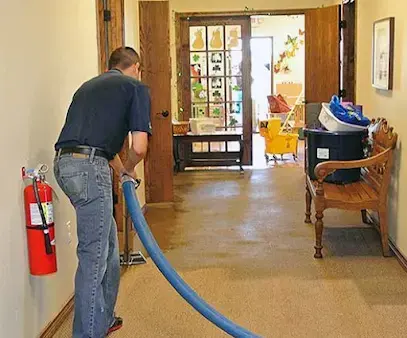
First steps for water extraction and removal in Elizabeth
Find the water
Meters and thermal imaging show where water traveled past the visible wet spot.
Pump and extract
Pumps and truck mounted units pull water from floors and carpet.
Remove what cannot dry
Soaked pad and damaged baseboard come out so floors can dry.
Hand off to drying
Dehumidifiers and air movers take over while readings track progress.
How water extraction and removal is handled in Elizabeth
Moisture mapped before equipment
The tech who does the walkthrough reads drywall, framing, subfloor and block foundation walls with pinless meters and thermal imaging first.
Dried to IICRC S500
The drying team follows IICRC S500, the industry drying standard: structural drying, not just surface drying.
A claim file built daily
Daily moisture readings, psychrometric logs and timestamped photos go into the file an adjuster reviews.
Union basement know-how
Sump failures, sewer backups, frozen pipes and Elizabeth River storm water are routine losses for the Union restoration crew.
What does water extraction and removal cost in Elizabeth, NJ?
Water extraction in Elizabeth usually runs from $1,200 to $6,500 or more, depending on how many rooms are wet, whether the water is clean or contaminated and how much material has to come out of the structure.
One room of clean water
- Wand extraction of carpet and floor
- Pad check with readings
- Short equipment run
Basement or a few rooms
- Pumping and wand extraction
- Pad and baseboard removal
- LGR dehumidifiers on site
Large or gray water loss
- Truck mounted extraction
- Carpet removal
- Daily moisture logs
Ranges are typical, not a quote: water category, square footage, material class and how fast drying started move the number most. Run the water damage cost calculator for a closer planning range.
The water extraction and removal process, start to dry
Locate
Moisture meters and thermal imaging find every wet area before extraction begins.
Extract
Pumps and truck mounted extractors remove standing water and carpet moisture.
Remove
Wet pad, baseboard and damaged drywall come out to expose trapped moisture.
Dry and verify
Dehumidifiers and air movers run until meter readings match dry standards.
Elizabeth has many two family, multi family and apartment buildings, so water that starts in one unit rarely stays there. Prompt extraction limits how far it travels through floors, walls and ceilings. The crew begins by confirming the source is shut off and measuring how far the water has reached.
How extraction works
Pumps handle deep standing water first. Wands and truck mounted extractors then pull water from carpet, pad and hard floors, which removes far more moisture than fans alone.
- Pumps clear standing water from the lowest point of the room
- Wands lift water from carpet and pad in place
- Pad and baseboard are removed when they cannot dry
- Moisture readings mark what is still wet after extraction
Where ceilings sit below the wet floor, the crew checks them with a meter before closing the job.
When extraction cannot wait
Water that reaches shared walls, ceiling cavities or the unit below keeps spreading. Stacked floors in Elizabeth apartment houses make early removal especially important, since a small spill upstairs can become a damp ceiling downstairs.
Gray water from washers or dishwashers and black water from sewage need extra care, with protective gear and removal of porous materials such as carpet pad.
After the water is out
Extraction is only the first stage. Once standing water is gone, the drying team sets air movers and dehumidifiers, and the work moves into structural drying with readings logged daily. Larger floods follow basement flooding cleanup steps.
Standing water in an Elizabeth building? Call (888) 471-9821, the extraction crew to start removal and moisture mapping..
Water extraction and removal across Elizabeth and nearby towns
Extraction crews work across Midtown, Bayway, Elizabethport, Elmora and North End, where two family homes and apartment buildings mean that water from one floor can reach the unit below within a single loss.
The same service nearby: water extraction and removal in Union, Linden, Roselle.
Related water damage services in Elizabeth
Water Extraction and Removal questions in Elizabeth, NJ
What is the difference between water extraction and drying?
Extraction physically removes liquid water with pumps and vacuums. Drying then removes moisture held inside materials and the air, using dehumidifiers and air movers.
Can carpet be saved after a flood?
Often yes when the water is clean and extraction starts early. Contaminated water or long soaking usually means the pad, and sometimes the carpet, has to be removed.
Does extraction cover water in the unit below?
Yes, when water has come through a ceiling the crew extracts what it can reach, opens the ceiling if it holds water and checks the walls with a meter.
How are Category 3 floods handled differently?
Sewage or river water brings bacteria, so the extraction crew wears protective gear, contains the area and removes porous materials rather than drying them in place.
What happens if only the surface looks dry?
Moisture can stay inside subfloors, wall cavities and baseboard. Meter readings, not appearance, decide whether the area is dry, which is why equipment stays until the numbers match.
Where in Elizabeth does extraction service run?
The extraction crew covers every neighborhood, including Midtown, Bayway, Elizabethport, Elmora and Westminster, in homes, apartment buildings and businesses.
Wet floors in Elizabeth need action
Pumps, extractors and meters go to work on the water first, then the drying team takes over so walls and subfloors reach safe moisture levels.