Basement Flooding Cleanup in Elizabeth, NJ
Rain, river water and failed pumps find the lowest space in a building first. The restoration team pumps out the water, cuts away wet materials and dries the slab, block and framing.
(888) 471-9821Call about lower level flooding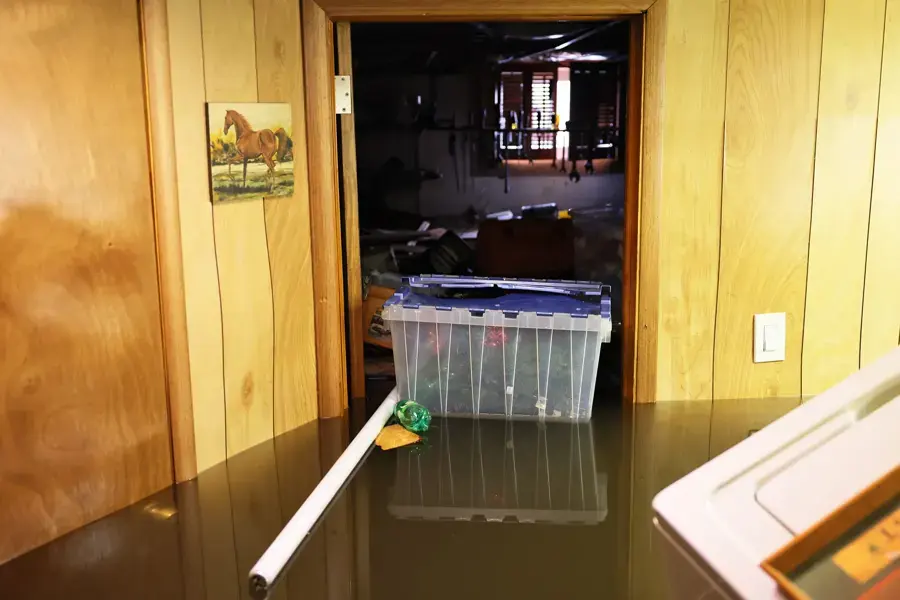
First steps for basement flooding cleanup in Elizabeth
Stop the inflow
Shut off supply water and clear the sump or drain if it is safe to do so.
Pump out
The crew lowers the water in stages and measures how far it reached.
Remove wet materials
Carpet, pad, wet drywall and insulation are cut out and bagged.
Dry and clean
Dehumidifiers and air movers dry the slab and framing, and surfaces are cleaned.
How basement flooding cleanup is handled in Elizabeth
Moisture mapped before equipment
The tech who does the walkthrough reads drywall, framing, subfloor and block foundation walls with pinless meters and thermal imaging first.
Dried to IICRC S500
The drying team follows IICRC S500, the industry drying standard: structural drying, not just surface drying.
A claim file built daily
Daily moisture readings, psychrometric logs and timestamped photos go into the file an adjuster reviews.
Union basement know-how
Sump failures, sewer backups, frozen pipes and Elizabeth River storm water are routine losses for the Union restoration crew.
What does basement flooding cleanup cost in Elizabeth, NJ?
Basement flooding cleanup in Elizabeth runs from $2,500 to $18,000 or more. Finish level, depth, how long water sat and whether it carried sewage decide where a job lands. Material removed and equipment days matter too.
Bare floor, clean water
- Pumping and wand extraction
- Slab and block drying
- Several days of equipment
Finished lower level
- Carpet, pad and drywall cuts
- Framing and insulation drying
- Readings logged each day
Sewage or river water
- Category 3 removal
- Containment and HEPA scrubbing
- Antimicrobial treatment
Ranges are typical, not a quote: water category, square footage, material class and how fast drying started move the number most. Run the water damage cost calculator for a closer planning range.
The basement flooding cleanup process, start to dry
Pump
Water is lowered in stages while the crew checks depth.
Remove
Wet carpet, pad, insulation and drywall up to the flood height come out.
Dry
Dehumidifiers and air movers dry the slab, block and framing.
Verify
Meter readings are logged daily until every surface matches a dry reference.
In September 2021 the Elizabeth River surged overnight during the remnants of Hurricane Ida, and water 12 to 14 feet deep filled apartments. That event shows how quickly low lying space can flood and why pumping and drying cannot wait.
What the work involves
The crew starts by measuring how deep the water is and where it came from, because clean rain seepage and sewage need different handling.
- Pumps lower the water in stages so walls and slabs are not stressed
- Wet carpet, pad and the bottom of the drywall are cut away
- Insulation and baseboard that cannot dry are removed
- Slab, block and framing are dried with dehumidifiers and air movers
Because Elizabeth has many two family and multi family buildings, the crew also checks neighboring units and shared spaces for water that traveled.
Contaminated flood water
River water and sewage mixed with floodwater count as Category 3. The team contains the area, runs HEPA air scrubbers and removes porous materials, then treats surfaces with an antimicrobial before drying begins.
Finishing the job
Drying continues until readings match unaffected areas. The crew then documents the loss for the insurance claim and explains what rebuilding is needed. Mold can take hold within 24 to 48 hours in damp material, which is why the schedule stays tight. For a failed pump, see sump pump failure cleanup, and for river water, storm and flash flood cleanup.
Water in a lower level in Elizabeth? Call (888) 471-9821, the restoration team to start pumping and moisture mapping..
Basement flooding cleanup across Elizabeth and nearby towns
Lower level work runs citywide, including blocks beside the Elizabeth River in Westminster and the multi family buildings of Bayway, North End and The Point, where pumps, extractors and drying equipment come to the property.
The same service nearby: basement flooding cleanup in Union, Linden, Roselle.
Related water damage services in Elizabeth
Basement Flooding Cleanup questions in Elizabeth, NJ
How is a flooded lower level pumped out safely?
Water is lowered in stages, because removing it too fast can stress walls and floors when the ground outside is still saturated. The crew checks the water level before each stage.
Does insurance cover lower level flooding?
Coverage depends on the policy and the cause. Sudden pipe or appliance failures are treated differently from surface flood or sewer backup, so the policy language matters and photos help.
Can a flooded apartment affect neighbors?
Yes. In two family and multi family buildings, water can travel through floors, shared walls and utility openings, so the crew checks adjoining spaces with a moisture meter.
What is the difference between clean water and flood water?
Clean water comes from a supply source. Flood water, such as river overflow, carries sewage, silt and bacteria, so porous materials are removed and surfaces are disinfected.
Will walls need to come down?
Drywall that wicked water upward usually gets cut out above the visible mark so insulation and framing can be dried and checked. Clean water cases may need only a lower cut.
Does the crew work after river flooding in Elizabeth?
Yes. After the Elizabeth River surge during Ida in September 2021, water filled apartments, and similar river or storm flooding is handled as Category 3 with containment and removal of porous materials.
Flooded space needs a plan
The crew pumps, removes wet materials and dries the structure while keeping photos and readings for the insurance file, so nothing is overlooked later.