Storm and Flash Flood Cleanup in Elizabeth, NJ
Elizabeth sits beside Newark Bay and the Arthur Kill, and the Elizabeth River runs through the city. When storm water gets inside, the crew removes it, clears silt and dries the structure.
(888) 471-9821Call about storm flooding in Elizabeth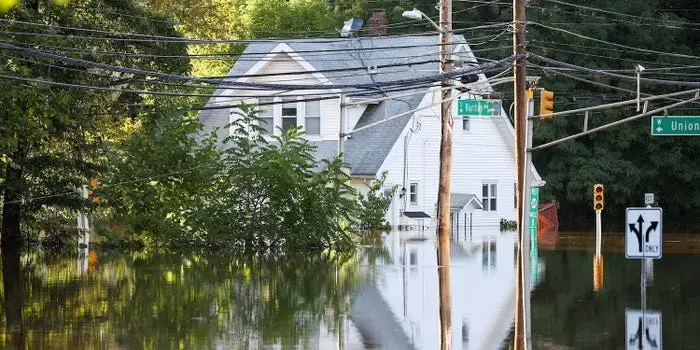
First steps for storm and flash flood cleanup in Elizabeth
Make it safe
Stay out of deep water and keep power off in wet areas.
Remove the water
Pumps and extractors clear standing water and silt.
Strip and clean
Soaked drywall, carpet and cabinets come out and surfaces get an antimicrobial wash.
Dry and test
Dehumidifiers run until concrete, block and framing readings match dry.
How storm and flash flood cleanup is handled in Elizabeth
Moisture mapped before equipment
The tech who does the walkthrough reads drywall, framing, subfloor and block foundation walls with pinless meters and thermal imaging first.
Dried to IICRC S500
The drying team follows IICRC S500, the industry drying standard: structural drying, not just surface drying.
A claim file built daily
Daily moisture readings, psychrometric logs and timestamped photos go into the file an adjuster reviews.
Union basement know-how
Sump failures, sewer backups, frozen pipes and Elizabeth River storm water are routine losses for the Union restoration crew.
What does storm and flash flood cleanup cost in Elizabeth, NJ?
Storm and flash flood cleanup in Elizabeth usually runs from $4,500 to $30,000 or more. Depth, the number of levels affected and the amount of silt and sewage involved decide the total. Insurance coverage varies by policy.
Garage or ground level
- Mud and water removal
- Antimicrobial cleaning
- Concrete drying
Basement flood
- Drywall and insulation removal
- Containment and HEPA scrubbing
- Block and framing drying
Two levels affected
- Category 3 removal on two floors
- Cabinet and flooring removal
- Longer monitoring
Ranges are typical, not a quote: water category, square footage, material class and how fast drying started move the number most. Run the water damage cost calculator for a closer planning range.
The storm and flash flood cleanup process, start to dry
Pump
Standing water and silt are removed first.
Strip
Soaked porous materials are cut out and bagged.
Disinfect
Surfaces are cleaned with antimicrobial and HEPA scrubbers run.
Dry
Dehumidifiers and air movers run until readings match dry standards.
During the remnants of Hurricane Ida in September 2021, the Elizabeth River surged overnight and caused catastrophic flooding. Even a largely channelized river can overflow when heavy rain hits.
What storm flood cleanup includes
Flood water is treated as contaminated. The crew removes standing water, shovels or vacuums silt, and strips carpet, cabinets and drywall that absorbed it.
- Mud and silt removal from floors and wall bases
- Antimicrobial cleaning of framing and hard surfaces
- HEPA air scrubbing in contained work areas
- Concrete, block and framing drying with dehumidifiers
Storm water also collects in parking areas, garages and low yards, and it can find its way indoors through doors, windows and floor drains.
Why speed still matters
Contaminated materials left in place keep releasing odor and bacteria, and damp framing can grow mold within 24 to 48 hours. Removing porous materials early protects the structure.
Beyond the lower levels
Storm water can reach garages, ground floors and shared halls in apartment buildings. In Elizabeth, two family and multi family properties also mean neighbors may need their own cleanup, so the crew checks shared walls. See basement flooding cleanup and sewage backup cleanup for related work.
Flood water inside an Elizabeth building? Call (888) 471-9821, the restoration team to begin pumping and silt removal..
Storm and flash flood cleanup across Elizabeth and nearby towns
Storm flood work covers the whole city, from Westminster beside the Elizabeth River to Elizabethport and its waterfront town homes, plus Midtown and Bayway, which lies between the Elizabeth River and the Arthur Kill.
The same service nearby: storm and flash flood cleanup in Union, Linden, Roselle.
Related water damage services in Elizabeth
Storm and Flash Flood Cleanup questions in Elizabeth, NJ
Is storm flood water considered contaminated?
Yes. River and street water can carry sewage, chemicals and bacteria, so it is treated as Category 3 and porous materials such as carpet and drywall are usually removed.
What happened in Elizabeth during Hurricane Ida?
The Elizabeth River surged overnight on September 1 to 2, 2021, and apartments filled with water 12 to 14 feet deep, a reminder of how fast flooding can escalate.
Can flood damage be handled before the water recedes?
Pumping often waits until outside water levels drop, so the crew first protects what it can and documents the loss. Once levels fall, extraction and removal begin.
Does the crew work in garages and ground floors?
Yes. Garages, ground floors and shared halls all collect storm water, and the crew removes mud, cleans concrete and dries framing in each.
How does storm flooding differ from a burst pipe?
A burst pipe releases clean water that can often dry in place. Storm flooding brings silt and contamination, so more material is removed and surfaces need antimicrobial treatment. See burst pipe water damage.
Floods need a careful cleanup
The crew removes the water and silt, strips what cannot be saved and dries the structure, with every step recorded for the insurance claim.