Storm and Flash Flood Cleanup in Roselle, NJ
Heavy storms can push Morses Creek over its banks in Roselle. The cleanup crew removes the flood water, strips what it contaminated and dries and disinfects the building.
(888) 471-9821Call about Roselle storm flooding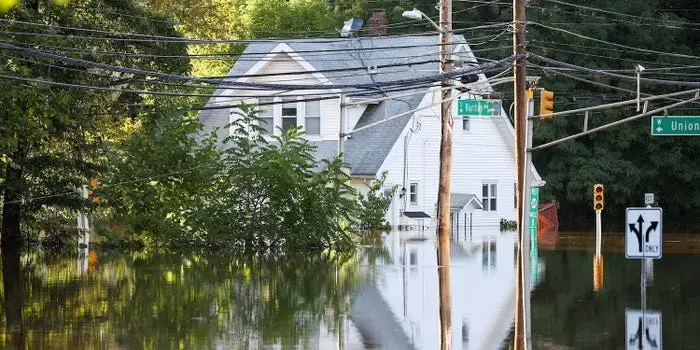
First steps for storm and flash flood cleanup in Roselle
Make it safe
Power is shut off and sewage or contamination risk is checked before work starts.
Pump and extract
Pumps and extractors take out flood water and mud.
Strip and clean
Soaked materials are cut out, then surfaces are cleaned and treated.
Dry the building
Equipment runs until readings match dry reference points.
How storm and flash flood cleanup is handled in Roselle
Moisture mapped before equipment
The tech who does the walkthrough reads drywall, framing, subfloor and block foundation walls with pinless meters and thermal imaging first.
Dried to IICRC S500
The drying team follows IICRC S500, the industry drying standard: structural drying, not just surface drying.
A claim file built daily
Daily moisture readings, psychrometric logs and timestamped photos go into the file an adjuster reviews.
Union basement know-how
Sump failures, sewer backups, frozen pipes and Elizabeth River storm water are routine losses for the Union restoration crew.
What does storm and flash flood cleanup cost in Roselle, NJ?
Storm and flash flood cleanup in Roselle typically runs from $4,500 to $30,000 or more, depending on how many levels flooded, how long the water sat and how much drywall, flooring and cabinetry must be removed.
Garage or crawl space
- Mud and standing water out
- Surfaces cleaned and treated
- Concrete dried
Basement flood
- Drywall and insulation cut out
- Containment and HEPA air scrubbers
- Framing dried in place
Basement and first floor
- Category 3 removal on both levels
- Cabinets and flooring removed
- Longer monitoring period
Ranges are typical, not a quote: water category, square footage, material class and how fast drying started move the number most. Run the water damage cost calculator for a closer planning range.
The storm and flash flood cleanup process, start to dry
Extract
Pumps and extractors clear flood water and mud.
Remove
Soaked drywall, padding and insulation are bagged.
Disinfect
Hard surfaces and framing are cleaned and treated.
Dry
Dehumidifiers and air movers run to readings.
Storm flooding is different from a leak because the water arrives from outside and carries whatever it crossed. In Roselle the source is Morses Creek, where county planners describe overbank flow of a foot or two at most in the worst areas.
Storms that reached Union County
Remnants of Hurricane Ida on September 1, 2021 and the July 2025 flash flood both brought flooding to Union County, and the state declared an emergency after the second. Those storms show how fast heavy rain can overwhelm drainage across the region.
What the cleanup includes
- Pumps and extractors remove flood water and loose mud.
- Soaked drywall, insulation and padding are cut out and bagged.
- Hard surfaces and framing are cleaned and treated with antimicrobial products.
- Air movers, dehumidifiers and scrubbers dry the space and clear the air.
Why safety and timing both matter
Creek water carries dirt and bacteria, so wet porous materials are usually removed rather than saved, and workers wear protective gear. Moving fast also matters for the structure, since wet framing and drywall begin to break down and mold can start in 24 to 48 hours.
Damage that stays at the basement level is covered in more detail under basement flooding cleanup, and drying methods are explained under structural drying.
Storm water in a Roselle home? Call (888) 471-9821, and the restoration team will explain removal, cleaning and drying..
Storm and flash flood cleanup across Roselle and nearby towns
Storm response covers all of Roselle, with the most exposure on the western side where Morses Creek and its two FEMA flood hazard areas run, plus homes and shops off Chestnut Street and Route 27.
The same service nearby: storm and flash flood cleanup in Union, Roselle Park, Linden.
Related water damage services in Roselle
Storm and Flash Flood Cleanup questions in Roselle, NJ
Is flood water from Morses Creek safe to touch?
No. Creek water carries dirt, bacteria and runoff, so it should be treated as contaminated and handled with gloves, boots and protective gear.
Does the whole structure need to be dried after a flood?
Yes. Water wicks up walls and into framing and subfloors, so readings are taken beyond the visible wet line, and drying continues until the numbers are normal.
Will homeowner insurance pay for storm flooding?
Standard policies often exclude rising flood water, so a separate flood policy matters. Document everything and ask the adjuster what applies to the loss.
How often does Roselle flood?
Planners at the county level report minor flooding every year or so, usually a foot or two deep in the worst spots, mostly from Morses Creek.
Can the cleanup start while the creek is still high?
Work starts once it is safe to enter. Pumping often begins as water recedes, and drying equipment goes in after the contaminated material is out.
Get ahead of the damage
Creek and runoff water spread contamination into everything it touches, so a clear cleanup plan protects the structure and the people living in it.