Commercial Water Damage in Roselle, NJ
Roselle is mostly residential, so a commercial loss is usually a small shop, an office or a mixed-use building. The restoration team phases the drying around business hours and documents everything for owners and insurers.
(888) 471-9821Call about a Roselle business water loss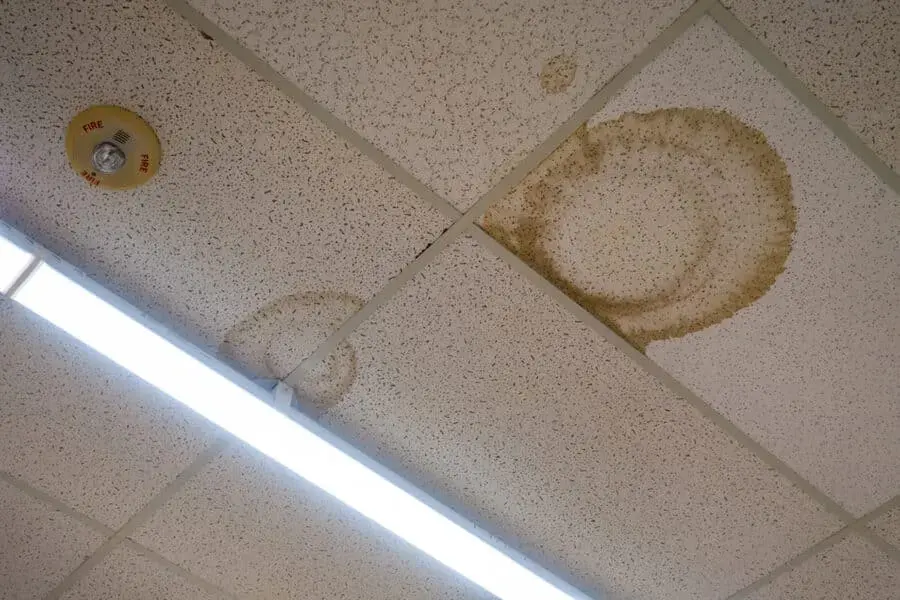
First steps for commercial water damage in Roselle
Assess the loss
Source, water type and affected suites are documented first.
Extract and protect
Water is removed and contents and finishes are protected.
Remove and contain
Wet materials are cut out and sewage areas are sealed off.
Dry and report
Daily logs and photos go to the owner and insurer.
How commercial water damage is handled in Roselle
Moisture mapped before equipment
The tech who does the walkthrough reads drywall, framing, subfloor and block foundation walls with pinless meters and thermal imaging first.
Dried to IICRC S500
The drying team follows IICRC S500, the industry drying standard: structural drying, not just surface drying.
A claim file built daily
Daily moisture readings, psychrometric logs and timestamped photos go into the file an adjuster reviews.
Union basement know-how
Sump failures, sewer backups, frozen pipes and Elizabeth River storm water are routine losses for the Union restoration crew.
What does commercial water damage cost in Roselle, NJ?
Commercial water damage in Roselle typically costs between $4,000 and $60,000 or more, depending on the size of the space, how many suites were affected and whether the water was clean or contaminated with sewage.
Single suite or store
- Extraction and carpet tile
- Containment set up
- Three to five days
Several suites or floors
- Phased drying plan
- Ceiling and wall removal
- Daily psychrometric logs
Large or Category 3 loss
- Sewage or flood water
- Large dehumidification
- Owner documentation
Ranges are typical, not a quote: water category, square footage, material class and how fast drying started move the number most. Run the water damage cost calculator for a closer planning range.
The commercial water damage process, start to dry
Document
Photos, readings and a sketch of wet areas start the file.
Extract
Water is removed and flooring or carpet tile is lifted.
Open
Wet drywall and ceiling tile are cut out and bagged.
Dry
Dehumidifiers run in phases with logs for the owner.
Commercial water damage carries a second cost, lost business. A leaking pipe in a shop or a sewage backup in an office can close the doors, so the plan balances speed, safety and keeping part of the space open where it is safe.
Small business losses here
Roselle's land is about 96.6 percent developed, and over 90 percent of parcels are residential, so commercial water damage here is usually a small business loss measured in a suite or a storefront rather than a large building.
What a commercial job includes
- Water is extracted and carpet tile or flooring is lifted where wet.
- Selective demolition removes only the wet drywall and ceiling tile.
- Containment keeps dust and sewage away from open areas.
- Daily readings and photos build a record for the owner and insurer.
Working around the business
Drying equipment can be placed so part of a shop or office stays usable, and work in occupied suites is phased by room. Tenants and owners each get the same logs and photos, which keeps the insurance conversation simple.
Sewage in a business is handled under sewage backup cleanup, and the drying methods are explained in structural drying.
Water loss at a Roselle business? Call (888) 471-9821, and the restoration team will plan the drying around the workday..
Commercial water damage across Roselle and nearby towns
Commercial work covers small businesses across Roselle, including offices and shops near the Chestnut Street civic core and Route 27, where portions of the borough were selected in 2002 for an Urban Enterprise Zone.
The same service nearby: commercial water damage in Union, Roselle Park, Linden.
Related water damage services in Roselle
Commercial Water Damage questions in Roselle, NJ
Can a business stay open during water damage cleanup?
Often part of it can. Phased drying and containment keep wet or contaminated areas separate, but a sewage loss or heavy flooding may require closing the space.
Who is responsible, the tenant or the landlord?
It depends on the lease and the source of the water. Both should photograph the damage and notify their insurers promptly.
What records does the restoration team provide?
Moisture maps, daily psychrometric logs, equipment records and photos, all organized so an adjuster can follow the loss from start to finish.
Is business interruption coverage involved?
Some commercial policies include it, so ask the insurer. Accurate dates, logs and photos from the drying team support that kind of claim.
How are ceiling tiles and carpet tile handled?
Wet tiles are usually removed because they hold water and can sag or stain, while carpet tile can sometimes be lifted, dried and reused.
Protect the business and the building
Fast containment, phased drying and clear records keep a water loss from becoming a long closure, a lease dispute or a stalled claim.