Water Extraction and Removal in Kenilworth, NJ
When the Rahway River spills over or a pipe lets go, the extraction crew pulls standing water out of Kenilworth floors first, then measures what soaked into carpet, pad and framing.
(888) 471-9821Call for Kenilworth water removal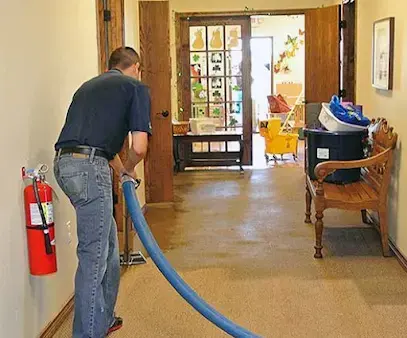
First steps for water extraction and removal in Kenilworth
Shut off the water
Close the main valve or the fixture valve so nothing new comes in.
Cut the power
Keep breakers off for wet outlets and stay out of standing water.
Lift small items
Move rugs, boxes and electronics onto dry surfaces.
Take photos
Capture the waterline and damaged items before anything is moved.
How water extraction and removal is handled in Kenilworth
Moisture mapped before equipment
The tech who does the walkthrough reads drywall, framing, subfloor and block foundation walls with pinless meters and thermal imaging first.
Dried to IICRC S500
The drying team follows IICRC S500, the industry drying standard: structural drying, not just surface drying.
A claim file built daily
Daily moisture readings, psychrometric logs and timestamped photos go into the file an adjuster reviews.
Union basement know-how
Sump failures, sewer backups, frozen pipes and Elizabeth River storm water are routine losses for the Union restoration crew.
What does water extraction and removal cost in Kenilworth, NJ?
In Kenilworth, extraction on one clean-water room usually runs $1,200 to $2,800, while a basement or several rooms reaches $2,800 to $5,000. Large or gray-water losses climb to $5,000 to $6,500+, mostly from carpet removal and truck-mounted time.
One room, clean water
- Surface water lifted
- Pad and baseboard readings
- Two to three drying days
Basement or several rooms
- Pumps plus wand work
- Pad and baseboard removal
- LGR dehumidifiers running
Large or gray-water loss
- Truck-mounted units
- Carpet taken out
- Daily moisture logs
Ranges are typical, not a quote: water category, square footage, material class and how fast drying started move the number most. Run the water damage cost calculator for a closer planning range.
The water extraction and removal process, start to dry
Pump
Submersible pumps take standing water down to the slab or subfloor.
Extract
Wands and truck-mounted units pull water from carpet, pad and seams.
Remove
Soaked pad, loose trim and ruined board come out so the cavity can dry.
Verify
Meters confirm each material is back to its dry standard before gear leaves.
Water that sits on a floor keeps moving, into carpet pad, baseboards and the cavity under a wall. In Kenilworth the water often comes from the Rahway River along the western border, and the county hazard plan says the most flood-prone areas occasionally see a foot or two of it.
What extraction removes
- Standing water from basements, garages and ground floors, pumped down before anything else starts.
- Water held inside carpet and pad, pulled out with wands and weighted tools.
- Puddles on tile, vinyl and sealed concrete that a wet vacuum can lift.
- Overflow from a failed supply hose, a cracked fitting or a burst pipe.
Gray water gets a different plan, and porous material that cannot be cleaned is bagged and removed. Basement losses are covered in basement flooding cleanup.
River water versus pipe water
Clean water from a broken pipe can often be extracted and dried in place. River water carries silt and bacteria, so the extraction crew treats it as Category 3 flood water, removes soaked pad and low drywall, and cleans every surface the water touched before drying begins.
Why speed and readings matter
Moisture that stays in a house past 24 to 48 hours invites mold and swelling in wood trim. The Kenilworth water damage pros pull the water first, then take readings at the floor, the wall base and the subfloor, so the drying plan matches what the building actually holds. Those readings go into a daily log an adjuster can read.
Standing water in a Kenilworth home? Call (888) 471-9821, to start pulling water out of the floor and walls..
Water extraction and removal across Kenilworth and nearby towns
Extraction runs across Kenilworth, from West Kenilworth and the Brier Street area to the Dorset Drive and Epping Drive streets north of Boulevard, plus Summit Avenue and Richfield Avenue in the southeast, ZIP 07033.
The same service nearby: water extraction and removal in Union, Roselle Park, Roselle.
Related water damage services in Kenilworth
Water Extraction and Removal questions in Kenilworth, NJ
How fast does water need to come out in Kenilworth?
Quickly. Water left in carpet and pad starts feeding swelling and mold growth inside 24 to 48 hours, so extraction is the first job, before dehumidifiers are placed.
Can wet carpet be saved after extraction?
Often, when the water was clean and the carpet is lifted soon. Pad usually goes. Gray water or river water means carpet comes out, since it cannot be cleaned safely.
Is river flood water handled differently?
Yes. Rahway River water is treated as Category 3, so the crew uses protective gear, bags porous material and cleans surfaces with antimicrobial products before drying.
Does extraction include drying?
Extraction removes the bulk water. Drying with air movers and dehumidifiers follows, and structural drying covers how that is measured.
Will the repair need a borough permit?
Kenilworth requires building permits for water heaters, sump pumps and piping changes, so a repair that follows extraction may need one. The restoration team can note the cause for the plumber.
What should be photographed before water is removed?
The waterline on walls, wet furniture, appliances and floor surfaces. Photos taken before extraction support an insurance claim later.
Water out of Kenilworth floors
Pumps, wands and truck-mounted units clear the water, and the readings that follow show when each room is dry enough to close up.