Sewage backing up through a floor drain, tub or toilet is the water problem nobody wants to wait on. It is more than messy, because the water carries bacteria and can spread through a house quickly.
Key takeaways
- Stay out of sewage water, keep children and pets away and shut off power where it is wet.
- Sewage is not a drying job alone. It needs removal, cleaning and sanitizing.
- Porous materials that soaked up sewage, such as carpet pad and drywall, usually are removed.
- Roselle Park runs its own sewer utility, and residents pay sewer bills to the borough.
- Photograph the damage and keep notes before cleanup begins.
Why a sewage backup is different
Clean water from a supply pipe is a drying problem. Sewage is a health problem first and a drying problem second.
The water carries bacteria and other contaminants, and it soaks into anything porous. That is why the response involves protective gear, containment and removal, not just fans.
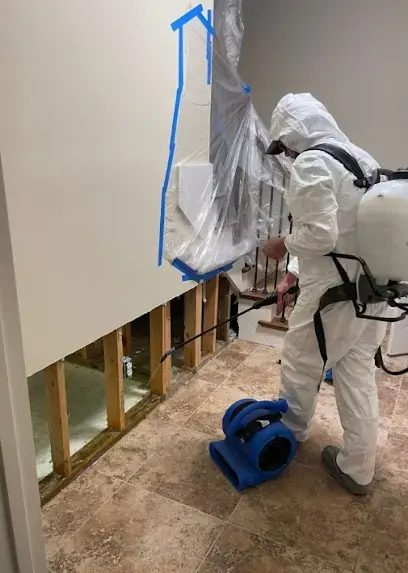
That is also why the cleanup looks so different. A crew in protective gear, with plastic containment and air scrubbers, is not overdoing it.
It is protecting the rest of the house.
Even a small backup, a few gallons from a floor drain, can soak into the slab, baseboards and anything stored nearby. The visible water is only part of the problem.
What to do first
The first moves are simple, and they protect people before property.
If the backup is coming up in more than one drain, note which ones. That detail helps the plumber find where the blockage is.
- Stay out of the water and keep children and pets away.
- Do not use sinks, tubs or toilets that could push more water into the drain.
- Shut off power to any wet area from a dry spot.
- Open windows if it is safe, and do not run a household vacuum on wet floors.
- Take photos before anything is moved.
- Call a restoration team that handles sewage cleanup.
What not to do
Do not try to clean sewage with towels and a mop and then leave it. The water has soaked into materials that look dry, and the smell will return.
Do not mix cleaning chemicals. Mixing products can create dangerous fumes.
Why this happens in Roselle Park homes
Roselle Park is a small borough, and all of it is land. The borough was formed in 1901 after disputes over a lack of a modern sewage system, neglected roads and poor schools.
About 73.7 percent of the housing stock, or 3,994 units, was built before 1960. Older homes have older drains, and a blocked or damaged drain can back up into the lowest fixture.
The borough operates a sewer utility, and residents pay sewer bills to the borough. A 2024 settlement requires Roselle Park to get off Elizabeth's sewer system by 2029, according to TAPinto.
The borough's neighborhoods include Lorraine and Aldene, and Westfield Avenue is the main shopping area. The borough tracks water main breaks as a notice category, but sewage problems inside a house are a different matter and need their own response.
Roselle Park public schools, the Casano Community Center and the Veterans Memorial Library on Chestnut Street are part of daily life, which is a reminder that this is a dense, active place where a house problem affects neighbors fast.
The Roselle Park water damage pros see these calls in older homes and in shared buildings. A sewage backup cleanup is handled the same way wherever the drain is, with containment first and sanitizing after.
How the cleanup is done
The sewage backup cleanup team sets up containment so the contamination does not spread to clean rooms. Then the standing sewage is removed with extraction equipment.
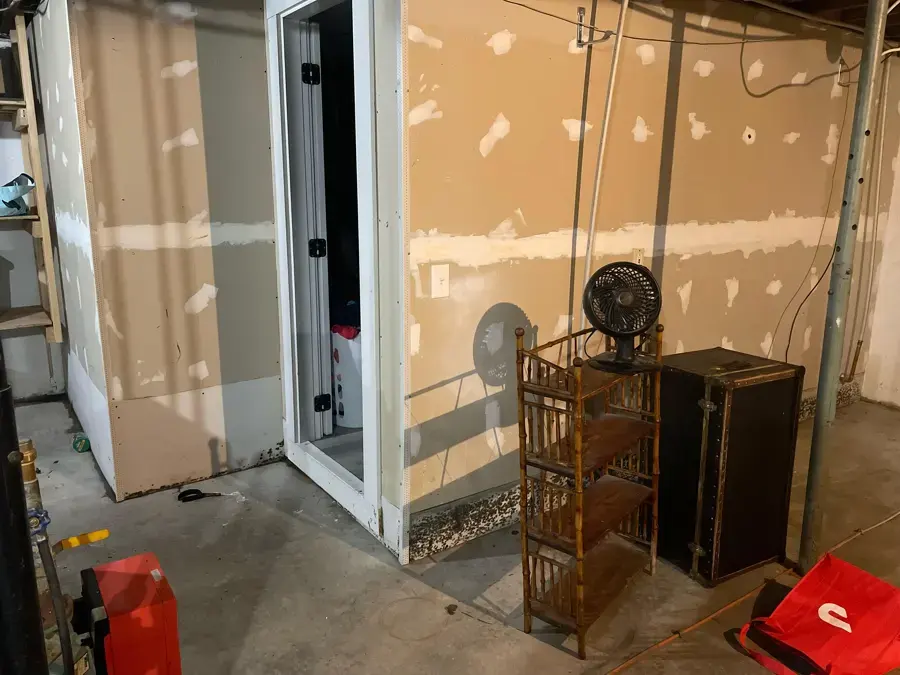
Porous materials that soaked up the water are cut out and bagged. That usually includes carpet, pad, insulation and the bottom of drywall.
Hard surfaces are cleaned and treated with antimicrobial products, and the area is dried. The water extraction crew uses air movers and dehumidifiers once the contaminated material is gone.
Contents are sorted as well. Hard items such as plastic bins and metal shelving can often be cleaned and kept, while upholstered furniture, mattresses and paper goods that soaked up sewage are usually discarded.
The team also checks wall bases and the slab. Sewage can wick up into drywall and trim, and a smell that returns after a cleanup usually means something porous was left behind.
- Containment and protective gear
- Extraction of the standing sewage
- Removal of porous materials
- Cleaning and antimicrobial treatment
- Drying and readings until the space is back to normal
Rentals, multi-unit buildings and shared drains
About 59 percent of Roselle Park homes are owner occupied and about 41 percent are rented. About 30.5 percent of units are in buildings with three or more units, and 9.6 percent are in two unit buildings.
In a shared building, a backup can affect more than one unit. Tell the owner or manager right away, and let the restoration team check every area the water touched.
What it costs and what to document
Costs depend on how much water came up and what it touched. A small floor drain backup usually costs between $3,000 and $5,500 in typical ranges, while a finished basement or a long-sitting backup costs more.
Records help with insurance and with any conversation with the borough or a plumber. Keep what matters.
Insurance coverage for sewage varies, and many policies treat a drain backup differently from other water losses. A homeowner should ask the insurer what applies and give the adjuster the restoration team's written scope.
- Photos of the drain, the water and damaged items
- The date and time the backup was noticed
- Any notes on what was running at the time
- The restoration team's written scope
- Receipts for repairs and for anything thrown away
Finding the cause
A plumber can say whether the blockage is in the house drain or farther out. That affects who has to fix it and who pays.
Who owns a particular pipe depends on the property, so no claim is made here. Ask the plumber and the borough, and keep the paperwork.
Never assume a backup will not return. Slow drains, gurgling toilets or a smell near a floor drain are early warnings, and a plumber can check the pipe with a camera before the next heavy use.
Questions
Is sewage backup dangerous?
Yes. Sewage water carries bacteria, so people and pets should stay out until it is removed and the area is cleaned and treated.
Can a sewage backup just be dried?
No. Contaminated porous materials usually have to be removed, and hard surfaces are cleaned and treated before drying.
Does Roselle Park have its own sewer utility?
Yes. The borough operates a sewer utility, and residents pay sewer bills to the borough.
What is the 2024 sewer settlement?
According to TAPinto, a 2024 settlement requires Roselle Park to get off Elizabeth's sewer system by 2029.